
Kaiser Richmond Field Hospital (Richmond, California)
USA /
California /
Richmond /
Richmond, California /
Cutting Boulevard, 1330
World
/ USA
/ California
/ Richmond
World / United States / California
Second World War 1939-1945, hospital, NRHP - National Register of Historic Places, Art Deco (architecture), 1942_construction, historic landmark

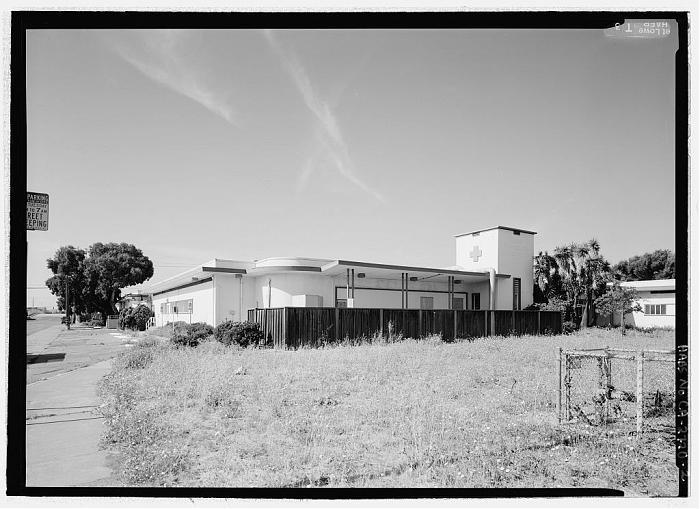
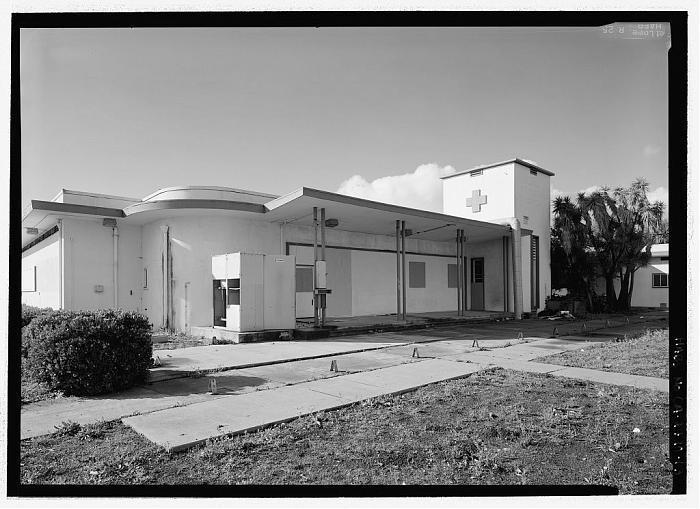
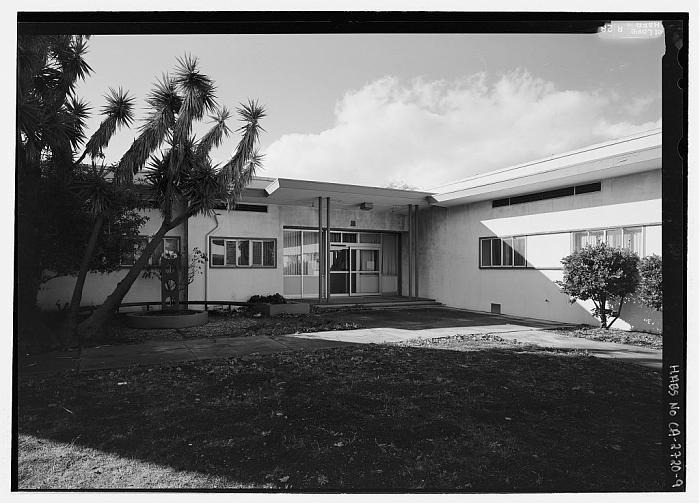
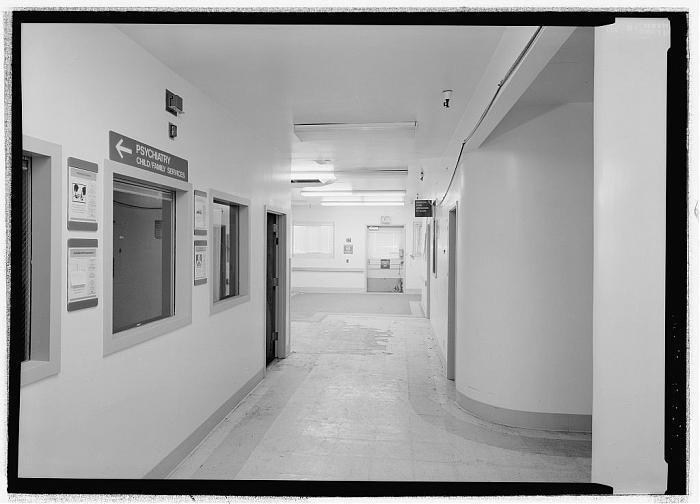
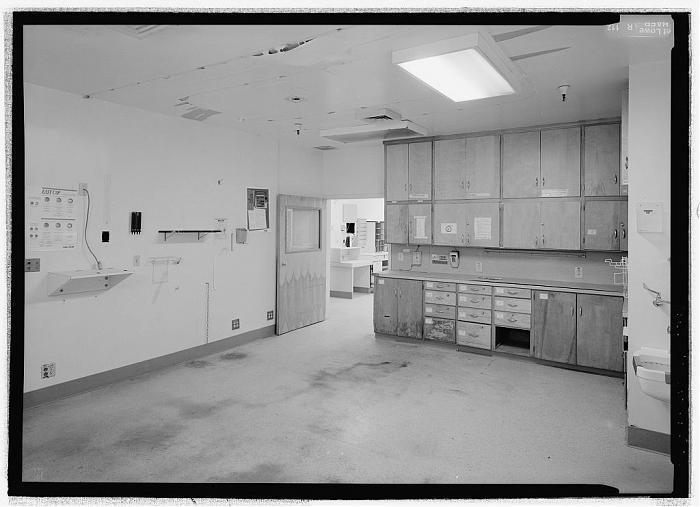
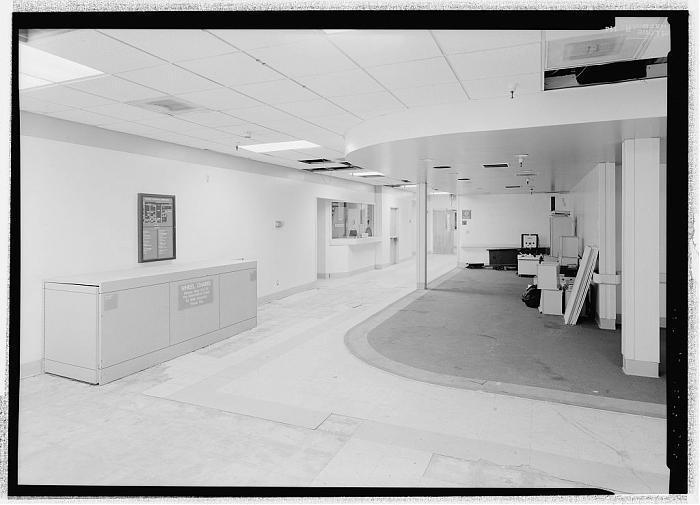
An original 98,000-square foot Streamline Moderne Kaiser-Permanente Field Hospital built to serve shipyard workers on Cutting Blvd. There is interest in maintaining this structure to help interpret the development of Kaiser-Permanente health care during World War II.
Originally intended for use primarily as an emergency facility, the Field Hospital opened with only ten beds. Later additions increased its capacity to 160 beds by 1944. The Field Hospital operated as a Kaiser-Permanente hospital until closing in 1995. The Field Hospital served as the mid-level component of a three-tier medical care system that also included six well-equipped First Aid Stations at the individual shipyards, and the main Permanente Hospital in Oakland, where the most critical cases were treated. Together, these facilities served the employees of the Kaiser shipyards who had signed up for the Permanente Health Plan (commonly referred to as the "Kaiser Plan"), one of the country's first voluntary pre-paid medical plans, and a direct precursor to the health maintenance organizations (HMOs) defined by the federal HMO Act of 1973.
The Richmond Field Hospital faces north onto Cutting Boulevard, a busy and important thoroughfare that creates an east west axis through the City of Richmond. The site is located in a neighborhood bordered by light industry to the south, east and west, with a largely residential neighborhood to the north. Although the Richmond Field Hospital is located within blocks of the associated shipyards along the bay shoreline, the hospital setting is primarily defined by the more immediate surrounding residential enclaves, light industry, and commercial businesses. A more industrial aesthetic/feeling may have existed within the hospital grounds when many of the structures associated with the institution were extant.
Much smaller than the Permanente Foundation hospital, the Field Hospital, the middle component of the three tiered shipyard medical program, was located blocks away from Shipyards One and Two, at the intersection of Cutting Boulevard and Fourteenth Street (now Marina Way) in Richmond. The United States Maritime Commission built this hospital, like the first aid clinics. The USMC owned the property and financed the field hospital for $60,000.
Modern architecture, with simple lines and relative lack of decoration, was particularly well suited to building with limited materials, as necessitated by the war. Materials such as steel, copper, iron, and others were needed for the manufacture of arms and weapons. The architect of the Field Hospital is not known for certain, but it is likely to have been Ed Cerruti, a local architect who worked for Kaiser.
The exterior of the Richmond Field Hospital retains a fair degree of integrity according to the seven aspects of integrity defined by National Register Bulletin 36: location, design, setting, materials, workmanship, feeling, and association. The building remains in its original historic location. The building’s original modernist design with Streamline elements remain intact. The current setting within proximity to the shipyards has not changed although many of the various buildings and structures associated with the shipyards are no longer extant. The historic materials originally employed on the exterior portions of the building are extant. The workmanship of the building is still evident in the exterior, and the feeling or historic sense of the hospital building is articulated through its form and modern details.
www.rosietheriveter.org/kaiserfieldhosp.htm
www.nps.gov/pwro/rori_library/Nat%20Reg%20Kaiser%20Fiel...
Originally intended for use primarily as an emergency facility, the Field Hospital opened with only ten beds. Later additions increased its capacity to 160 beds by 1944. The Field Hospital operated as a Kaiser-Permanente hospital until closing in 1995. The Field Hospital served as the mid-level component of a three-tier medical care system that also included six well-equipped First Aid Stations at the individual shipyards, and the main Permanente Hospital in Oakland, where the most critical cases were treated. Together, these facilities served the employees of the Kaiser shipyards who had signed up for the Permanente Health Plan (commonly referred to as the "Kaiser Plan"), one of the country's first voluntary pre-paid medical plans, and a direct precursor to the health maintenance organizations (HMOs) defined by the federal HMO Act of 1973.
The Richmond Field Hospital faces north onto Cutting Boulevard, a busy and important thoroughfare that creates an east west axis through the City of Richmond. The site is located in a neighborhood bordered by light industry to the south, east and west, with a largely residential neighborhood to the north. Although the Richmond Field Hospital is located within blocks of the associated shipyards along the bay shoreline, the hospital setting is primarily defined by the more immediate surrounding residential enclaves, light industry, and commercial businesses. A more industrial aesthetic/feeling may have existed within the hospital grounds when many of the structures associated with the institution were extant.
Much smaller than the Permanente Foundation hospital, the Field Hospital, the middle component of the three tiered shipyard medical program, was located blocks away from Shipyards One and Two, at the intersection of Cutting Boulevard and Fourteenth Street (now Marina Way) in Richmond. The United States Maritime Commission built this hospital, like the first aid clinics. The USMC owned the property and financed the field hospital for $60,000.
Modern architecture, with simple lines and relative lack of decoration, was particularly well suited to building with limited materials, as necessitated by the war. Materials such as steel, copper, iron, and others were needed for the manufacture of arms and weapons. The architect of the Field Hospital is not known for certain, but it is likely to have been Ed Cerruti, a local architect who worked for Kaiser.
The exterior of the Richmond Field Hospital retains a fair degree of integrity according to the seven aspects of integrity defined by National Register Bulletin 36: location, design, setting, materials, workmanship, feeling, and association. The building remains in its original historic location. The building’s original modernist design with Streamline elements remain intact. The current setting within proximity to the shipyards has not changed although many of the various buildings and structures associated with the shipyards are no longer extant. The historic materials originally employed on the exterior portions of the building are extant. The workmanship of the building is still evident in the exterior, and the feeling or historic sense of the hospital building is articulated through its form and modern details.
www.rosietheriveter.org/kaiserfieldhosp.htm
www.nps.gov/pwro/rori_library/Nat%20Reg%20Kaiser%20Fiel...
Wikipedia article: http://en.wikipedia.org/wiki/Kaiser_Richmond_Field_Hospital
Nearby cities:
Coordinates: 37°55'28"N 122°21'23"W
- Skaggs Island 32 km
- Camp Stoneman (site) 39 km
- Camp Beale (site) 165 km
- Camp Essex - Desert Training Center/California-Arizona Maneuver Area (site) 721 km
- Camp Clipper (site) 724 km
- Borrego Valley Manuever Area 738 km
- Camp Iron Mountain (site) 772 km
- Camp Granite (site) 775 km
- Poston War Relocation Center 833 km
- Los Alamos National Laboratory 1440 km
- Iron Triangle 1.2 km
- Marina Bay 1.6 km
- Point Potrero Marine Terminal 1.8 km
- Miller Knox Regional Shoreline Park 2.4 km
- Brickyard Cove 2.5 km
- Point Richmond, California 2.8 km
- Angel Island 10 km
- San Francisco Bay 24 km
- Contra Costa County, California 26 km
- Alameda County, California 41 km
Comments