
Cherkessk
Russia /
Karacaj-Cherkessija /
Druzhba /
World
/ Russia
/ Karacaj-Cherkessija
/ Druzhba
, 4 km from center (Дружба)
World / Russia / Karachay-Cherkess
city, capital city of state/province/region


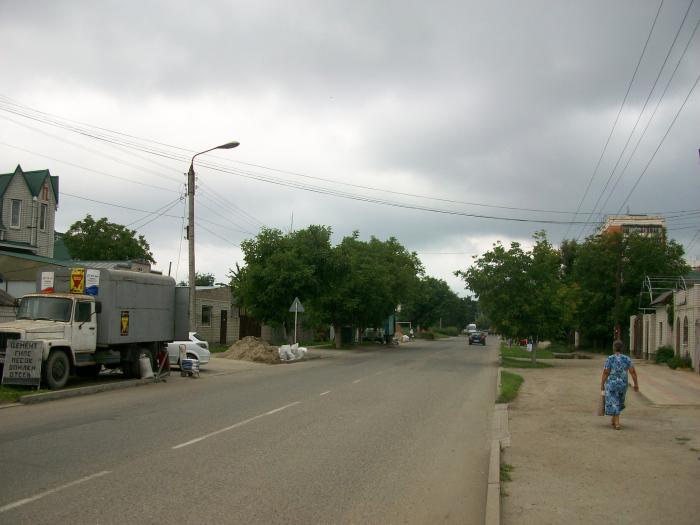

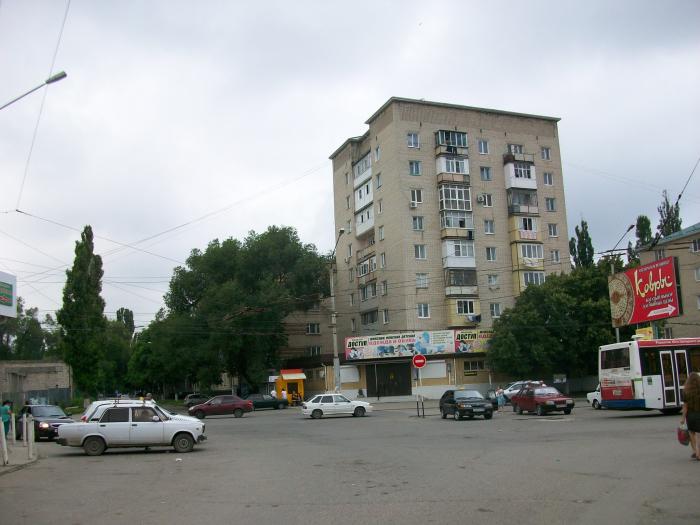
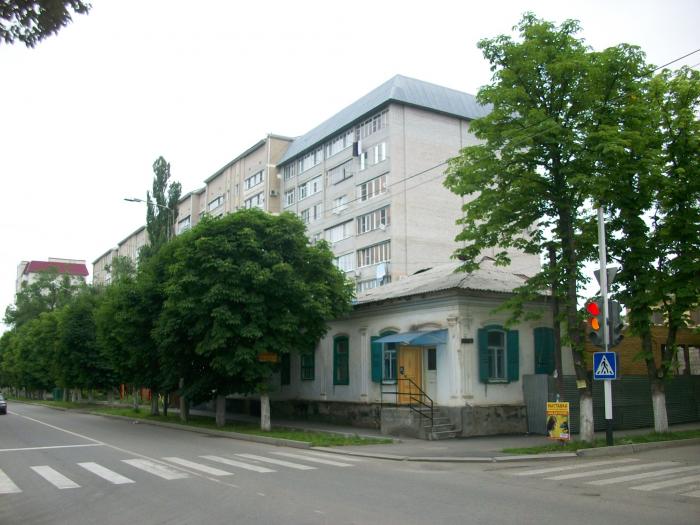
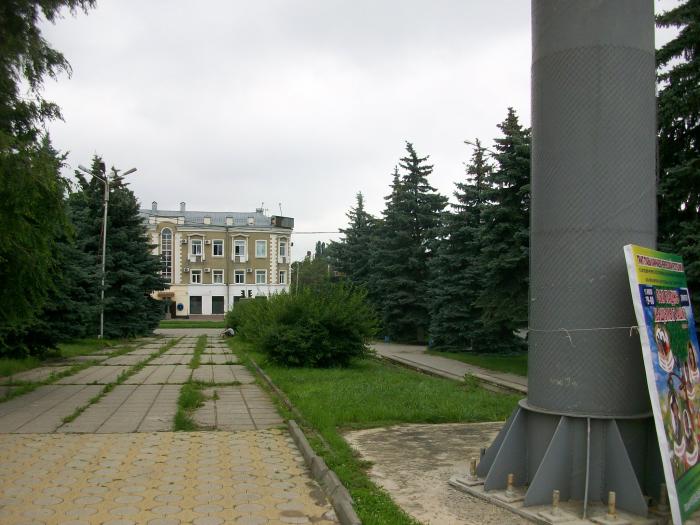
Cherkessk (Russian: Черке́сск; Adyghe: Шэрджэс къалэ; Kabardian: Черкес-къалэ) is the capital city of Karachay-Cherkessia, Russia, as well as its political, economic, and cultural center. Population: 129,069 (2010 Census). In Russian, the city is called Черке́сск (Čerkessk) and has similar names in the languages of the city's other major ethnic groups. In Karachay, it is Черкесск (Çerkessk) or Черкесск шахар (Çerkessk şahar); in Kabardian, it is Шэрджэс къалэ (Şărdjăs qală) or Черке́сск (Čerkessk); in Abaza, it is Черкес къала (Čerkes q̇ala) or Черкесск (Čerkessk); in Nogai, it is Шеркеш шахар (Şerkeş şahar) and in Chechen, it is Черкесск (Čerkessk).
What is now Cherkessk was established in 1804 as a Russian military fort on the Kuban River, what was then the border with Circassia, on the spot where in 1790 Russian troops under the command of General Johann Hermann von Fersen (Ivan Ivanovich Herman fon Fersen) defeated the Ottoman Batal Pasha. In honor of the victory over Batal Pasha, the fort was named Batalpashinskaya; it was a redoubt surrounded by an earthen rampart and ditch. (That the fort was named for an enemy leader may have led villagers to prefer the nickname Pashinka.) The settlement itself was founded as the Cossack stanitsa of Batalpashinskaya near the Russian Army outpost. The officially recognized year of founding of Batalpashinskaya and modern Cherkessk is 1825. However, the Cossack settlers from the Khopyour and Kuban regiments began arriving in the newly organized stanitsa not earlier than spring of 1826. In 1860, the village was designated as the administrative center of the Batalpashinsky Otdel of the Kuban Oblast. A decree of 30 December 1869 by Tsar Alexander II transformed the village into a city of Batalpashinsk but the decree was never implemented, and Batalpashinskaya remained a stanitsa until the Soviet times. In 1888, the village became a seat of one of Kuban's seven otdels. For its first century of existence, Cherkessk was a stanitsa, a village inside a Cossack host, which from 1825 to 1931 was named Batalpashinskaya stanitsa (Russian: Баталпашинская станица Batalpašinskaja stanica) and nicknamed Pashinka (Пашинка Pašinka) In 1931, it was renamed Batalpashinsk (Баталпашинск Batałpašinsk), and then in quick succession Sulimov (Сулимов Sulimov) in 1934 for Daniil Sulimov, Chairman of the Council of People's Commissars of the Russian SFSR, and following Sulimov's execution in the Great Purge, Yezhovo-Cherkessk (Ежово-Черкесск Ježovo-Čerkessk) in 1937 for Nikolai Yezhov, head of the NKVD. With Yezhov's arrest, the initial "Yezhovo-" was dropped, and the city received its present name in 1939. In 1922, the village became the seat of the Karachay-Cherkess Autonomous Oblast of the RSFSR, and in 1926, the Cherkess National Okrug. In 1931, it was granted town status and renamed Batalpashinsk. It received its current name of Cherkessk in 1939. The city was occupied by the Nazi German Wehrmacht during World War II (the Eastern Front) from 11 August 1942 to 17 January 1943 as part of the Case Blue offensive. In 1957, it became the capital of the reformed Karachay-Cherkess Autonomous Oblast which became the Karachay–Cherkess Republic in 1991 with the fall of the Soviet Union.
What is now Cherkessk was established in 1804 as a Russian military fort on the Kuban River, what was then the border with Circassia, on the spot where in 1790 Russian troops under the command of General Johann Hermann von Fersen (Ivan Ivanovich Herman fon Fersen) defeated the Ottoman Batal Pasha. In honor of the victory over Batal Pasha, the fort was named Batalpashinskaya; it was a redoubt surrounded by an earthen rampart and ditch. (That the fort was named for an enemy leader may have led villagers to prefer the nickname Pashinka.) The settlement itself was founded as the Cossack stanitsa of Batalpashinskaya near the Russian Army outpost. The officially recognized year of founding of Batalpashinskaya and modern Cherkessk is 1825. However, the Cossack settlers from the Khopyour and Kuban regiments began arriving in the newly organized stanitsa not earlier than spring of 1826. In 1860, the village was designated as the administrative center of the Batalpashinsky Otdel of the Kuban Oblast. A decree of 30 December 1869 by Tsar Alexander II transformed the village into a city of Batalpashinsk but the decree was never implemented, and Batalpashinskaya remained a stanitsa until the Soviet times. In 1888, the village became a seat of one of Kuban's seven otdels. For its first century of existence, Cherkessk was a stanitsa, a village inside a Cossack host, which from 1825 to 1931 was named Batalpashinskaya stanitsa (Russian: Баталпашинская станица Batalpašinskaja stanica) and nicknamed Pashinka (Пашинка Pašinka) In 1931, it was renamed Batalpashinsk (Баталпашинск Batałpašinsk), and then in quick succession Sulimov (Сулимов Sulimov) in 1934 for Daniil Sulimov, Chairman of the Council of People's Commissars of the Russian SFSR, and following Sulimov's execution in the Great Purge, Yezhovo-Cherkessk (Ежово-Черкесск Ježovo-Čerkessk) in 1937 for Nikolai Yezhov, head of the NKVD. With Yezhov's arrest, the initial "Yezhovo-" was dropped, and the city received its present name in 1939. In 1922, the village became the seat of the Karachay-Cherkess Autonomous Oblast of the RSFSR, and in 1926, the Cherkess National Okrug. In 1931, it was granted town status and renamed Batalpashinsk. It received its current name of Cherkessk in 1939. The city was occupied by the Nazi German Wehrmacht during World War II (the Eastern Front) from 11 August 1942 to 17 January 1943 as part of the Case Blue offensive. In 1957, it became the capital of the reformed Karachay-Cherkess Autonomous Oblast which became the Karachay–Cherkess Republic in 1991 with the fall of the Soviet Union.
Wikipedia article: http://en.wikipedia.org/wiki/Cherkessk
Nearby cities:
Coordinates: 44°13'1"N 42°3'4"E
- Sochi 233 km
- Krasnodar 291 km
- Tbilisi 336 km
- Rostov-on-Don 406 km
- Volgograd 544 km
- Makiivka 550 km
- Luhansk 552 km
- Donetsk 554 km
- Samsun Metropolitan Municipality 579 km
- Dnipro 740 km
- Krasnoarmeyskaya ulitsa, 80 0.4 km
- prospekt Lenina, 145 0.5 km
- Kindergarten yard 0.5 km
- prospekt Lenina, 79 0.5 km
- prospekt Lenina, 71 0.5 km
- Стадион «Нарт» 1.6 km
- Псыжский мост ч/з р.Кубань 1.8 km
- Secondary school nr. 18 3.1 km
- Abazinsky District 16 km
- Karachay–Cherkess Republic 50 km