
Kirkuk Citadel
Iraq /
at-Tamim /
Kirkuk /
World
/ Iraq
/ at-Tamim
/ Kirkuk
, 2 km from center (كركيك)
World / Iraq / At-Ta'mim
citadel, place with historical importance, interesting place
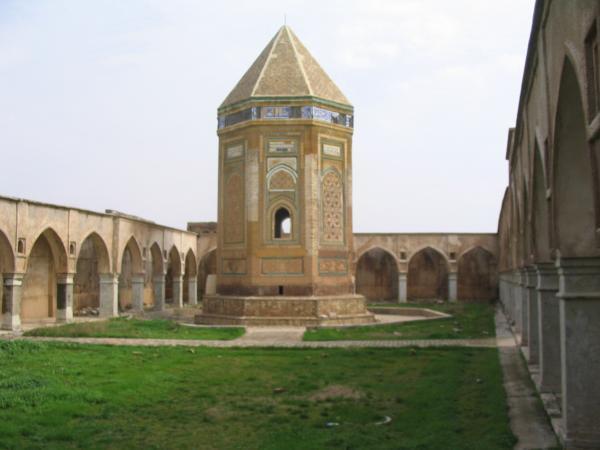
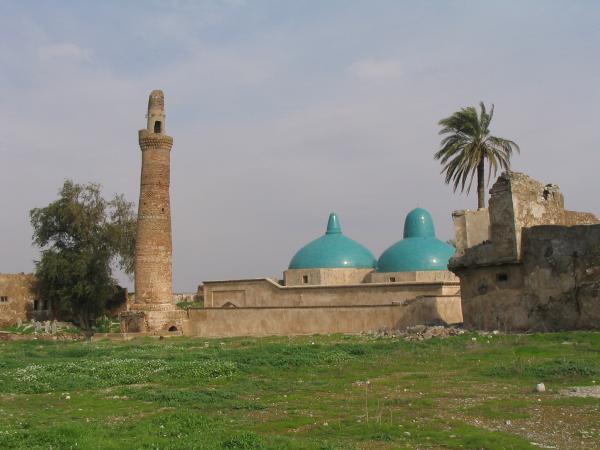
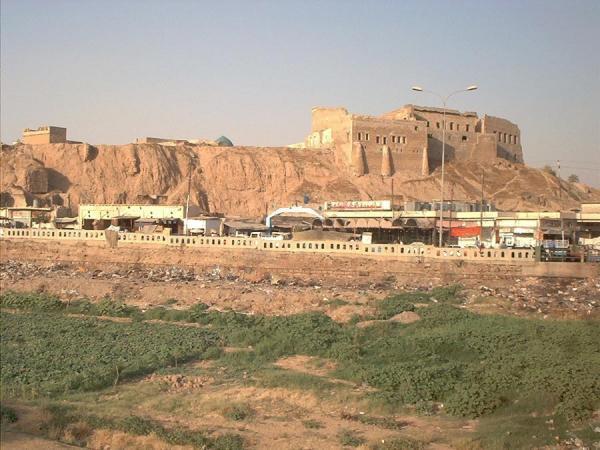
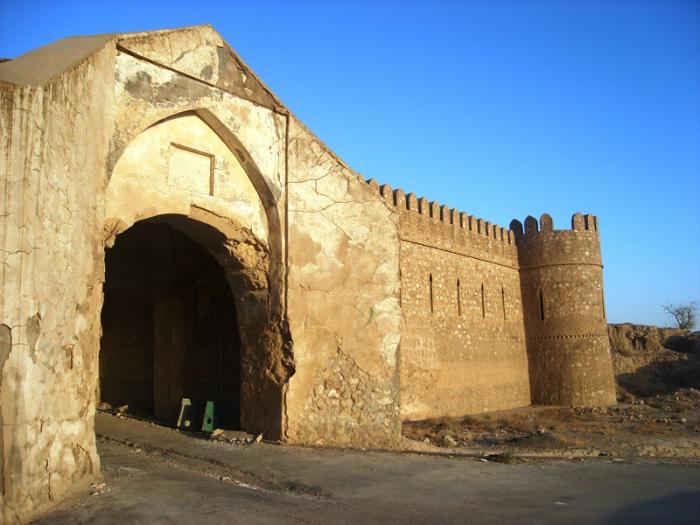
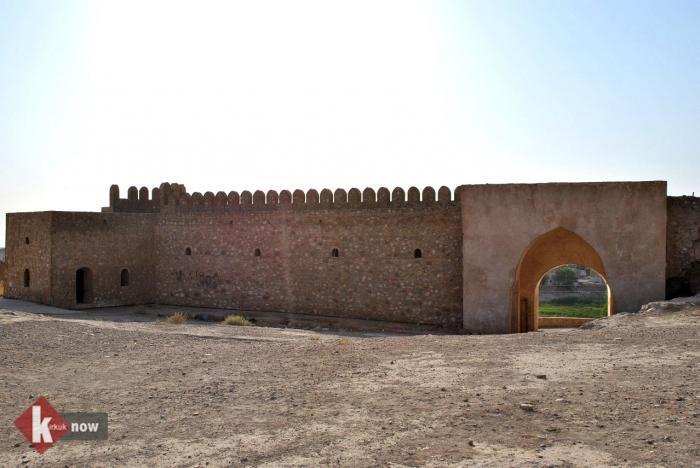
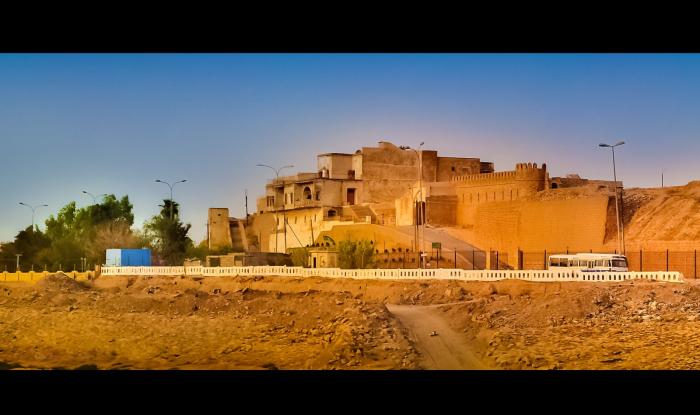
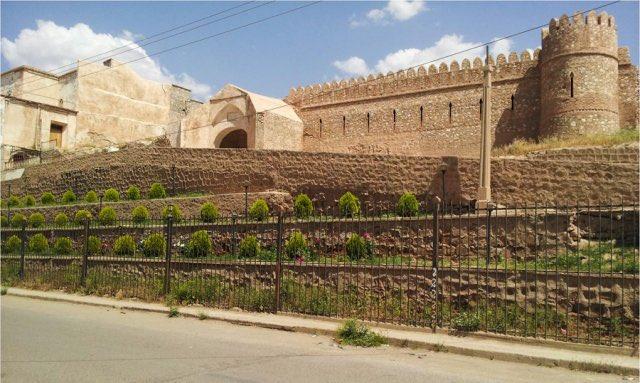
The Kirkuk Citadel is located in the centre of the city of Kirkuk in Iraq, and is considered to be the oldest part of the city. The citadel stands on an artificial mound 130 feet high located on a plateau across the Khasa River. The mound is believed to have been built by King Ashurnasirpal II(Assyria) between 884 and 858 BCE as a military defence line of Arrapha.
Later King Seleucus I Nicator(Alexander the Great's General and founder of the Seleucid Empire) built a strong rampart with 72 towers around the 72 streets and the two entries to the citadel. A jewel of the citadel is the so-called "Red Church", with traces of pre-Muslim mosaics. It is believed that Timur(founder of Timurid Dynasty) visited the citadel in 1393 during his military expedition. The modern walls go back to the Ottoman period.
In the 1990s, Saddam Hussein, the former Iraqi president, announced a campaign to beautify the walled citadel. Some believe that the campaign's intention was to remove the 800 - 900 mostly Turkmen and Kurdish families living in its ancient houses.
The citadel is considered by Turkmen as an important factor in their history. There are several Turkmen neighbourhoods within and around the citadel, such as Topkapi, Helvacilar, Hamam, Agalik, Yedi Kizlar, and Zindan. A large number of historical and religious sites still exist there, such as a tomb that is believed to be the prophet Daniel's Tomb.
This tomb was originally the site of a Jewish temple, then later turned into a Christian church, and finally into a Muslim mosque. The mosque has arches, pillars and two domes on a decorated base and beside it there are three minarets which belong to the end of the Mongolian reign. The mosque is about 400 square meters and houses four tombs believed to belong to Daniel, Hananiah, Mishael and Azariah.
Some other historical monuments within the citadel:
The Cathedral of the Mother of Grief -
Built in 1862, the other name of this historical religious building was Kildan Church. It was rebuilt with stone and the cement in the first half of the last century. It’s roofs and arches settled on marble limbs. It was well known with excellent architectural design.
The Green Tomb -
This architectural monument is also in the form of an octagon. It was decorated with plant like pictures. The writings at the top of the monument refer that it was present in the 14th century. The monument contains the tomb of the Turkmen prince Baghdadi Hatun.
Top Kapi (Cannon Door) -
This was one of the four entrances to the Kirkuk Citadel, which was located to the west. It is in the form of a half-arch with an oval roof. Its history dates back 150 years.
The historical houses in Kirkuk Citadel -
There were a lot of historical houses in Kirkuk Citadel: House of Tayfur, Sidik Allaf, Ali Aga and Abdul Gazi Efendi. The house of Tayfur was from the old Turkmen designed houses. He house was formed from 3 intermingled houses. The first house had many marble limbs. Its doors and windows were surrounded also with embroidery marbles. The houses were characterised with arches and domes. The walls were decorated with plant and animal pictures.
Historical Mosques -
There are at least five mosques within the walls of the Citadel that date back as far as the 13th Century.
Later King Seleucus I Nicator(Alexander the Great's General and founder of the Seleucid Empire) built a strong rampart with 72 towers around the 72 streets and the two entries to the citadel. A jewel of the citadel is the so-called "Red Church", with traces of pre-Muslim mosaics. It is believed that Timur(founder of Timurid Dynasty) visited the citadel in 1393 during his military expedition. The modern walls go back to the Ottoman period.
In the 1990s, Saddam Hussein, the former Iraqi president, announced a campaign to beautify the walled citadel. Some believe that the campaign's intention was to remove the 800 - 900 mostly Turkmen and Kurdish families living in its ancient houses.
The citadel is considered by Turkmen as an important factor in their history. There are several Turkmen neighbourhoods within and around the citadel, such as Topkapi, Helvacilar, Hamam, Agalik, Yedi Kizlar, and Zindan. A large number of historical and religious sites still exist there, such as a tomb that is believed to be the prophet Daniel's Tomb.
This tomb was originally the site of a Jewish temple, then later turned into a Christian church, and finally into a Muslim mosque. The mosque has arches, pillars and two domes on a decorated base and beside it there are three minarets which belong to the end of the Mongolian reign. The mosque is about 400 square meters and houses four tombs believed to belong to Daniel, Hananiah, Mishael and Azariah.
Some other historical monuments within the citadel:
The Cathedral of the Mother of Grief -
Built in 1862, the other name of this historical religious building was Kildan Church. It was rebuilt with stone and the cement in the first half of the last century. It’s roofs and arches settled on marble limbs. It was well known with excellent architectural design.
The Green Tomb -
This architectural monument is also in the form of an octagon. It was decorated with plant like pictures. The writings at the top of the monument refer that it was present in the 14th century. The monument contains the tomb of the Turkmen prince Baghdadi Hatun.
Top Kapi (Cannon Door) -
This was one of the four entrances to the Kirkuk Citadel, which was located to the west. It is in the form of a half-arch with an oval roof. Its history dates back 150 years.
The historical houses in Kirkuk Citadel -
There were a lot of historical houses in Kirkuk Citadel: House of Tayfur, Sidik Allaf, Ali Aga and Abdul Gazi Efendi. The house of Tayfur was from the old Turkmen designed houses. He house was formed from 3 intermingled houses. The first house had many marble limbs. Its doors and windows were surrounded also with embroidery marbles. The houses were characterised with arches and domes. The walls were decorated with plant and animal pictures.
Historical Mosques -
There are at least five mosques within the walls of the Citadel that date back as far as the 13th Century.
Wikipedia article: http://en.wikipedia.org/wiki/Kirkuk_Citadel
Nearby cities:
Coordinates: 35°28'12"N 44°23'45"E
- Dokan 74 km
- Palace area 116 km
- Old Samarra 145 km
- Ancient Nineveh 152 km
- Tell al-Dhahab 169 km
- Babylon 323 km
- ash-Shaddadi 340 km
- Fajjārat ash Shuwayl 371 km
- Al-Artiwaziyah 411 km
- Sawḩ al Khurayj 417 km
- Al-Jumhuriya 0.9 km
- Musalla 1.3 km
- Iskan 1.6 km
- Tapa 1.7 km
- Shorijah 2.4 km
- Arrapha 3.3 km
- Khasa Riverbank 3.4 km
- Kirkuk District 6.2 km
- Kirkuk Province 30 km
- Qani Domlan Ridge 41 km
Comments