آبادان
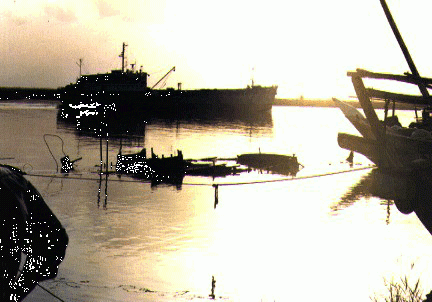
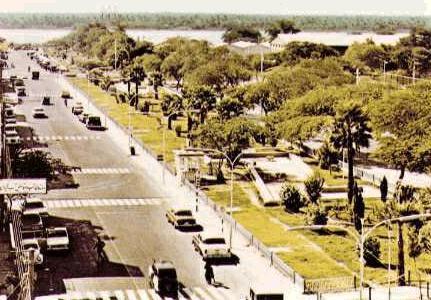
آبادان در استان خوزستان در جنوب غربی ایران است. در آبادان یکی از بزرگترین پالایشگاههای نفت جهان قرار دارد. نفت از اغلب مناطق خوزستان با لوله به این شهر میرسد و پس از تصفیه به کلیه جهان صادر میشود. نزدیکترین شهر به آبادان، خرمشهر است که حدود ۱۵ کیلومتر با این شهر فاصله دارد. خاک آبادان را آبرفت رودهای کارون و دجله (که به هم پیوستهاند) پدید آوردهاست. شهر آبادان درون خشکی ای است که گرداگردش رود است. این خشکی به جزیره آبادان شناخته شدهاست. شهر آبادان و همچنین بخش اروندکنار و نیمی از شهر خرمشهر در این جزیرهاند.رودهای گرداگرد آبادان که همگی به خلیج فارس میریزند از دو رود بزرگتر پیشیاد دجله و کارون است. بزرگترین شاخهای که از برخورد این دو رود پدید آمدهاست اروندرود است. بخش دیگر این رود که در آنسوی این جزیره روان است و اهمیت کمتری دارد بهمنشیر خوانده میشود. رود بهمنشیر در بخشهایی از گذرگاهش کارون هم خوانده میشود.
Wikipedia article: http://fa.wikipedia.org/wiki/آبادانThis article is protected. Category: city
place comments:
|
35 months ago Hassoun Bawi |
|
+4 |


|
By shouting halva halva You won’t taste it’s “sweetness” (Ba Halva Halva goftan dahan shirin nemishe), but if it satisfies you be my guest. I do not blame my fellow Arab compatriots (if you are one) for having such sentiments/illusions though. The real reason for such misguided sentiment , and hence the blame, lies first and foremost with the decades long racist policies against the Arab population of Khuzestan and lack of support/sympathy by the rest of the population of Iran. But withdrawing into our compartmentalised and often raw and brutal sense of nationality is not the answer. There is nothing glorious in our past to retreat to neither for the Fars nor for the Arabs in Iran. We should all know the past and present, learn from it and build a better future together. It is for this reason and only for this that, in my humble opinion, we should point to the wrongs done to us.
In 1979 shortly after the revolution, the young fellow Arabs of Khorramshahr(Mohammareh) organised themselves as Kaanoon-e Farhangi-e Khalgh-e Arab and used the NIOC office (or was it the British Counsulate?) opposite the Shatt as their base. The organisation’s charter and demands were progressive and very reasonable and it was very popular amongst fellow Arabs. The infamous General Madani brought a Navy gunboat to the Shatt opposite the building and gave few minutes to vacate the building otherwise, he warned over the loudspeaker, he would open fire. A few days later he organised Navy commandos and others, wearing black face masks, as death squads rampaging through Khorramshahr killing killing as many Arabs as they could; young and old. It was truly a massacre. Although the crime was not a unique even, for it has happened to others too, what astonished me was that as a result , General Madani’s popularity soared and he nearly won the presidential election. His share of the votes was some eleven million. Nearly half the electorate. The other half voted Bani Sadre not because Madani was a mass murderer but, perhaps because they thought Bani Sadre was more qualified having done even worst to the Kurds. Now, had eleven million had come to the streets to protest the massacre and support the Arab population’s rights, no one among the Arabs would develop resentment towards the Persians. And if they did, The Arabs at large would be the first to laugh at them.
Hassoun.
|
|
|
35 months ago Hassoun Bawi |
|
+4 |


|
I used to love visiting my maternal grandmother in Khorramshahr when I was a child. She used to live near Nahr Chasebi (Chasebi Canal) close to the Fire Station but on the other side. Nahr Chasebi does not exist now. It was filled up some forty years ago and a major road, Chel Metry, was built over it. Crossing over the Nahr was always a joy for me and I remember vividly the day-dreaming and plotting to oneday, when old enough and big enough, jump over it. My grandma however, hated it and whenever we were crossing, would start cursing Khazaal and Mazaal and spit in the Nahr. Few years later when I was teenager and had managed to fulfil my dream, I asked her why she always cursed the sheikhs while crossing the Nahr; afterall, he was an Arab and the Raees? She gave me a short history lesson that, as I grew older, shaped my worldview. She said, “to him we were less than the goats and the cattle” so why should she respect him? “In the bad old days”, referring to the war years I guess, “when everyone was starving and the harvest was bad, he took more from us and everyone had to slave for him to dig the Nahr to his Palace the Khazaalieh, so he would arrive at the palace on his steam boat without having to encounter us the rifraf.” “It was a crime to wear Naaleyn(Sandal) in his presence or stand upright.” “ In the old days Kazaalieh stole our livelihood, today it steals our children.” Years later I found out my uncle was imprisoned and tortured in Khazaalieh fortification. The Shah had turned the palace into prison.
Hassoun
|
|
 | add your comment in Persian (Farsi) |
| |
|