
Windsor Bridge
United Kingdom /
England /
Windsor-Eton /
World
/ United Kingdom
/ England
/ Windsor-Eton
World / United Kingdom / England
footbridge
Add category
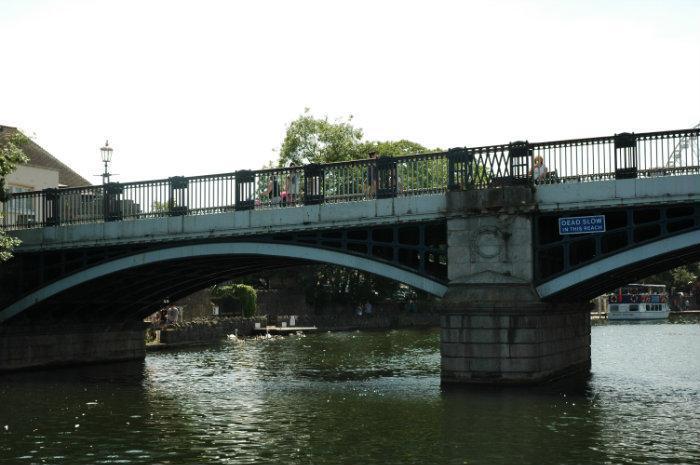
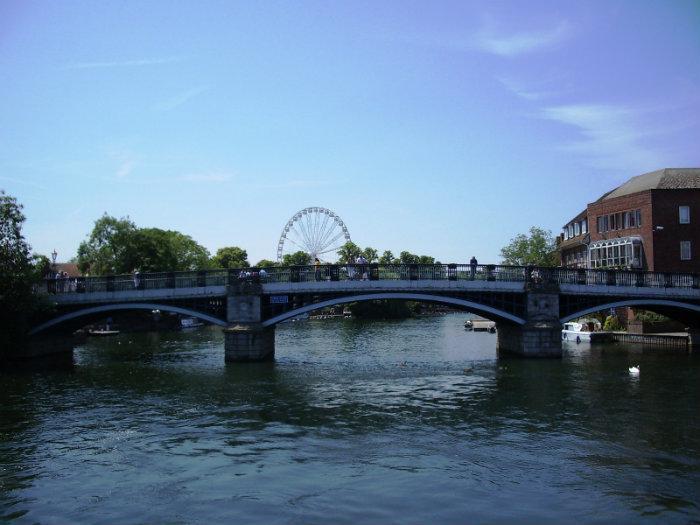
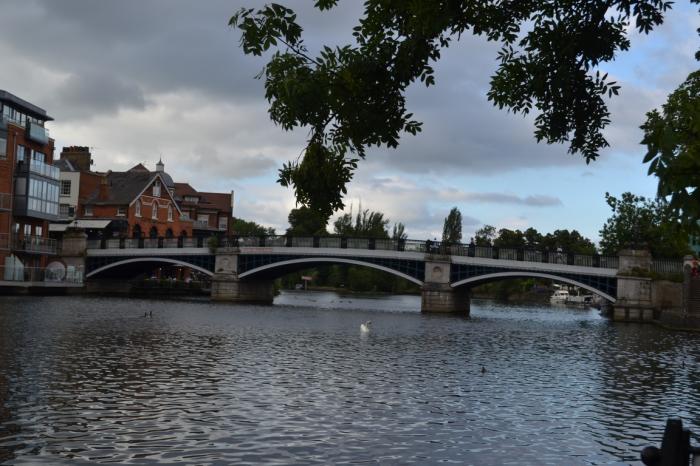
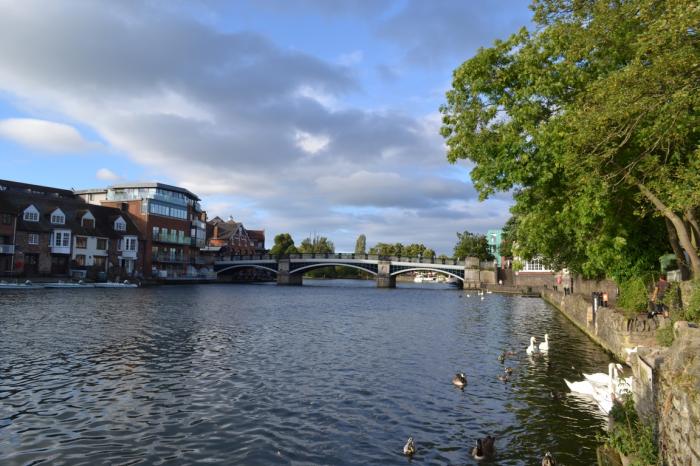
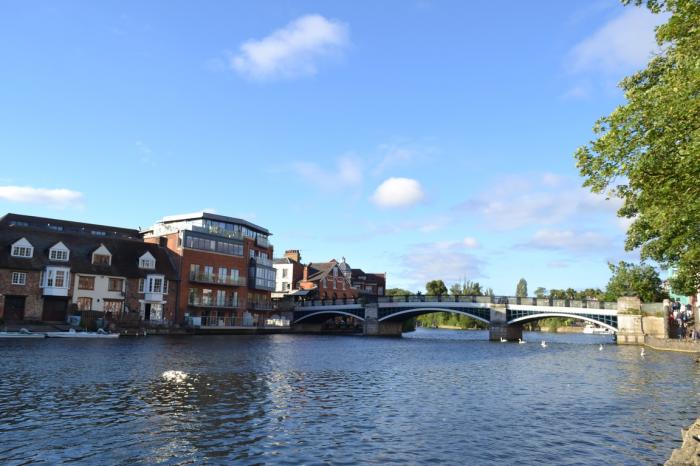
It is likely the first bridge on this site was built in the 1100s. By 1172 it is recorded that Osbert de Bray derived over £4 from tolls levied on vessels passing beneath the bridge. In 1242, permission was granted for oak trees to be felled in Windsor Forest for the purpose of constructing a new bridge between Windsor and Eton. By 1819 the wooden bridge, presumably rebuilt many times over its life, had deteriorated and it was decided to build a new bridge in new materials.
Construction on the current bridge was started in 1822 and it opened on June 1, 1824. The bridge has three arches, each comprising seven cast iron segments, and supported in mid-stream by two granite piers.
Built as a road bridge, tolls were originally levied on traffic crossing the bridge. Following protests and a court case, these tolls were scrapped in 1897. In 1970, cracks were discovered in some of the cast iron segments, and despite local protests it was decided to close the bridge to all vehicular traffic. All such traffic must now travel between Windsor and Eton via the Queen Elizabeth Bridge on Windsor's by-pass.
In 2002 the bridge was refurbished, with repairs to the structure and new parapets including integral lighting. The bridge deck was replaced using York stone and seating areas provided. The bridge remains in use by pedestrians only and provides an excellent walking route from central Windsor to Eton's High Street, and a good viewing spot for both the river and Windsor Castle.
Wills and Harry were able to use this as a short cut to see their nan and granddad.
Construction on the current bridge was started in 1822 and it opened on June 1, 1824. The bridge has three arches, each comprising seven cast iron segments, and supported in mid-stream by two granite piers.
Built as a road bridge, tolls were originally levied on traffic crossing the bridge. Following protests and a court case, these tolls were scrapped in 1897. In 1970, cracks were discovered in some of the cast iron segments, and despite local protests it was decided to close the bridge to all vehicular traffic. All such traffic must now travel between Windsor and Eton via the Queen Elizabeth Bridge on Windsor's by-pass.
In 2002 the bridge was refurbished, with repairs to the structure and new parapets including integral lighting. The bridge deck was replaced using York stone and seating areas provided. The bridge remains in use by pedestrians only and provides an excellent walking route from central Windsor to Eton's High Street, and a good viewing spot for both the river and Windsor Castle.
Wills and Harry were able to use this as a short cut to see their nan and granddad.
Wikipedia article: http://en.wikipedia.org/wiki/Windsor_Bridge
Nearby cities:
Coordinates: 51°29'9"N -0°36'29"E
- Footbridge 20 km
- Hammersmith Bridge 26 km
- Overhead pedestrian crossing 28 km
- Fulham Railway Bridge 28 km
- Albert Bridge 31 km
- Golden Jubilee Bridges 34 km
- Waterloo Bridge 34 km
- Stratford pedestrian Bridge 42 km
- Stratford Walk 42 km
- Footbridge 76 km
- Home Park (Public) 0.8 km
- Eton College 0.9 km
- Eton College Golf Course 1.3 km
- Datchet Golf Course 1.4 km
- Agars Plough Playing Fields 1.5 km
- Herschel Park 2.1 km
- Upton Court Park 2.4 km
- The Long Walk 2.5 km
- Lascelles Playing Fields 2.6 km
- Buckinghamshire 42 km