
Banqueting House (London)
United Kingdom /
England /
London /
A3212 Whitehall, 1
World
/ United Kingdom
/ England
/ London
World / United Kingdom / England
museum
Add category
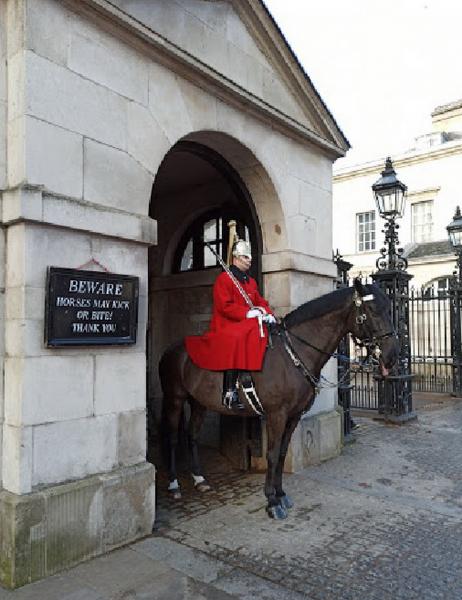
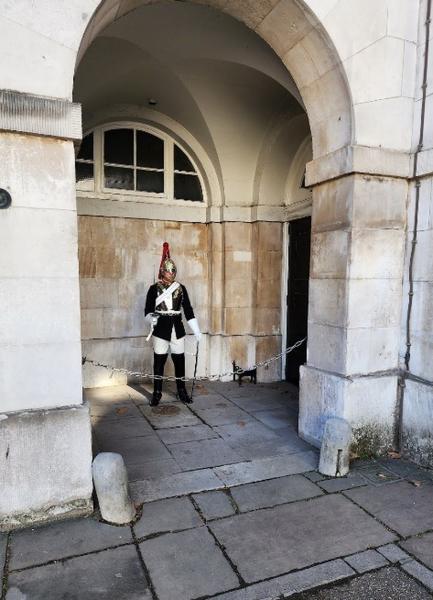
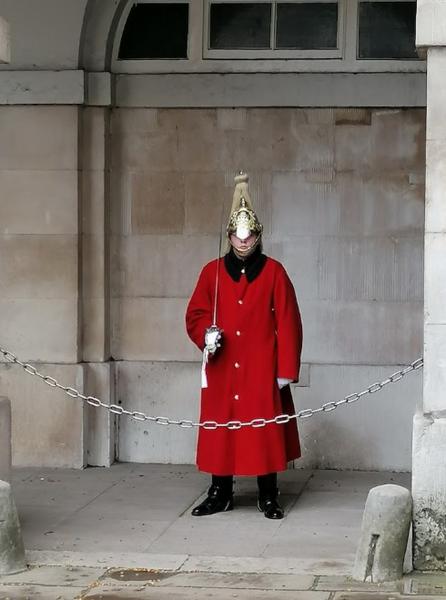
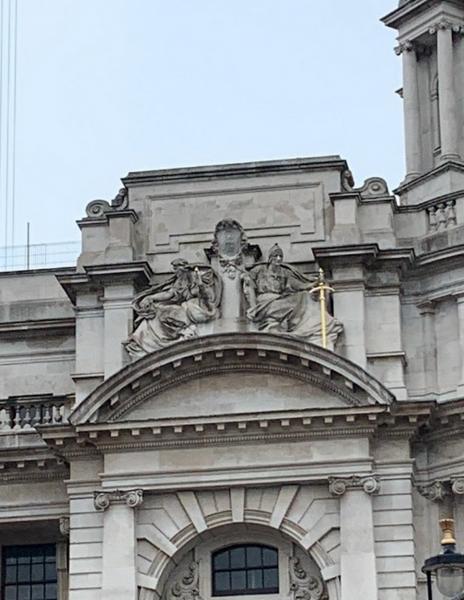
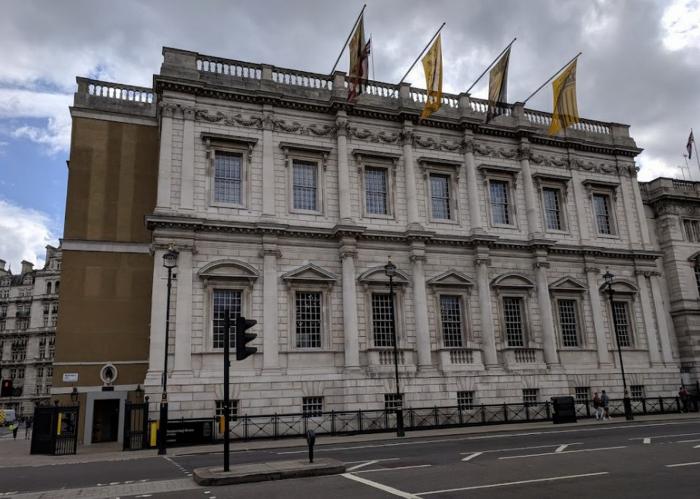
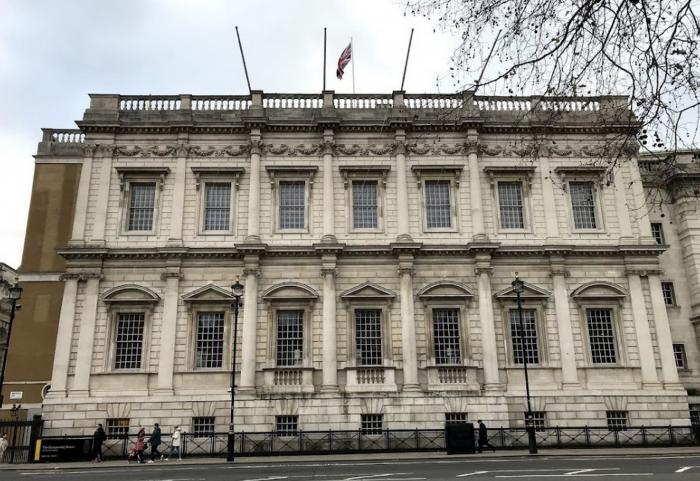
The Banqueting House is the only remaining component of Whitehall Palace and is found at the Trafalgar Square end of Whitehall, London. It is a Grade I listed building.
It is the grandest and most familiar survival of the architectural genre of banqueting house. Formerly part of the Palace of Whitehall, it was designed by Inigo Jones in 1619 and completed in 1622 with assistance from John Webb. In 1649 King Charles I of England was executed on a scaffold in front of the building.
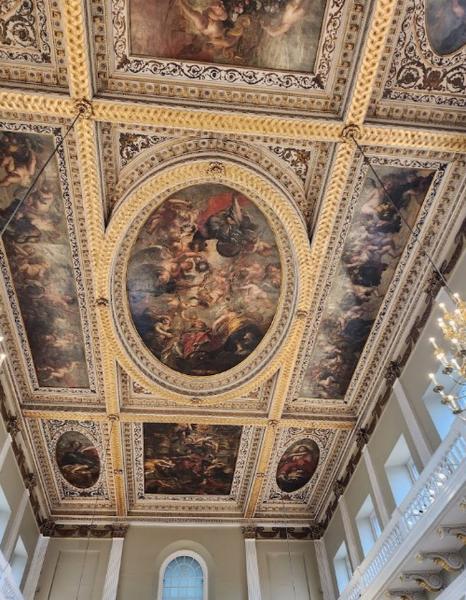
Inside the building there is a single two-story double-cube room which is decorated with paintings by Sir Peter Paul Rubens that were commissioned by Charles I in 1635 to fill the panelling of the ceiling. The Banqueting House introduced a refined Italianate Renaissance style that was unparalleled in Jacobean England, where Renaissance motives were still filtered through the engravings of Flemish Mannerist designers. The roof is all but flat and the roof line is a balustrade. On the street façade all the elements of two orders of engaged columns, Corinthian over Ionic, above a high rusticated basement, are locked together in a harmonious whole.
The Banqueting House was planned as part of a grand new Palace of Whitehall, but the tensions that eventually led to the Civil War intervened. In 1685 the Banqueting House became the first building in England to use crown glass in its windows. Later, in the fire that destroyed the old Whitehall Palace the isolated position of the Banqueting Hall preserved it from the flames.
Official website: www.hrp.org.uk/BanquetingHouse/
www.stately-homes.com/banqueting-house
www.londonpass.com/london-attractions/banqueting-house....
It is the grandest and most familiar survival of the architectural genre of banqueting house. Formerly part of the Palace of Whitehall, it was designed by Inigo Jones in 1619 and completed in 1622 with assistance from John Webb. In 1649 King Charles I of England was executed on a scaffold in front of the building.
Inside the building there is a single two-story double-cube room which is decorated with paintings by Sir Peter Paul Rubens that were commissioned by Charles I in 1635 to fill the panelling of the ceiling. The Banqueting House introduced a refined Italianate Renaissance style that was unparalleled in Jacobean England, where Renaissance motives were still filtered through the engravings of Flemish Mannerist designers. The roof is all but flat and the roof line is a balustrade. On the street façade all the elements of two orders of engaged columns, Corinthian over Ionic, above a high rusticated basement, are locked together in a harmonious whole.
The Banqueting House was planned as part of a grand new Palace of Whitehall, but the tensions that eventually led to the Civil War intervened. In 1685 the Banqueting House became the first building in England to use crown glass in its windows. Later, in the fire that destroyed the old Whitehall Palace the isolated position of the Banqueting Hall preserved it from the flames.
Official website: www.hrp.org.uk/BanquetingHouse/
www.stately-homes.com/banqueting-house
www.londonpass.com/london-attractions/banqueting-house....
Wikipedia article: http://en.wikipedia.org/wiki/Banqueting_House
Nearby cities:
Coordinates: 51°30'16"N -0°7'33"E
- British Museum 1.8 km
- The Tower of London 3.3 km
- The Victoria and Albert Museum 3.4 km
- Natural History Museum 3.8 km
- Old Truman Brewery 4.1 km
- Horniman Museum and Gardens 8 km
- The National Maritime Museum 8.7 km
- RAF Museum, Hendon 13 km
- Iver Environment Centre 27 km
- Brooklands Museum 29 km
- St. James's Park Lake 0.6 km
- Central London 0.6 km
- St. James's Park 0.6 km
- St. James's 0.7 km
- The Mall 0.7 km
- Strand 0.9 km
- Covent Garden 1 km
- Lambeth 1 km
- City of Westminster 2.7 km
- Lambeth Council 5 km
Comments