
Gol Gumbaz (Vijayapura (Bijapur))
India /
Karnataka /
Bijapur /
Vijayapura (Bijapur) /
Golgumbaz Road
World
/ India
/ Karnataka
/ Bijapur
World / India / Karnataka / Bijapur
mausoleum, monument, cemetery

Jadar Galli, Vijayapura
Karnataka 586104, India
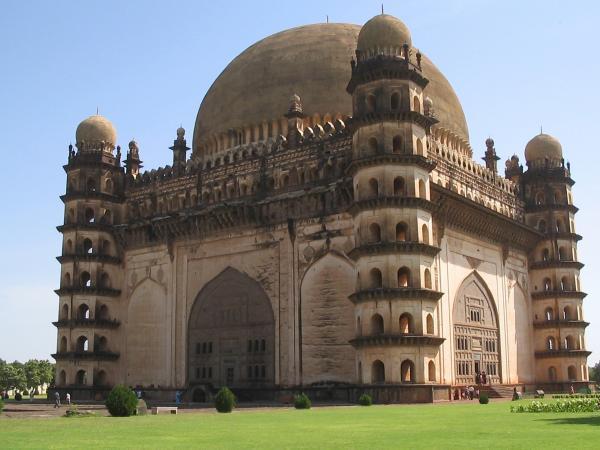
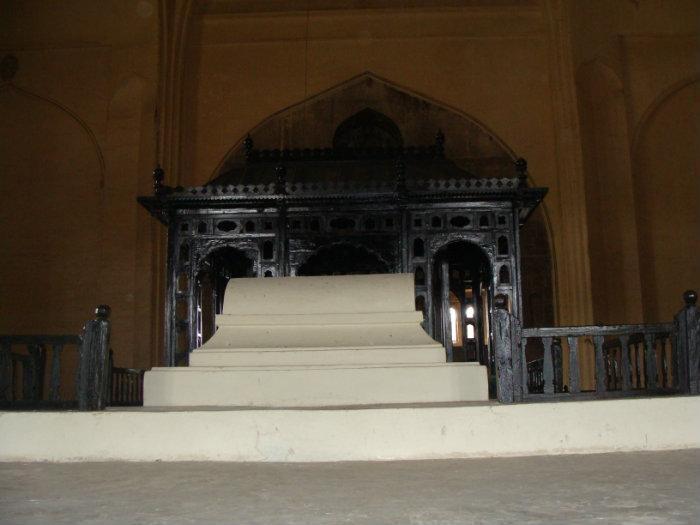
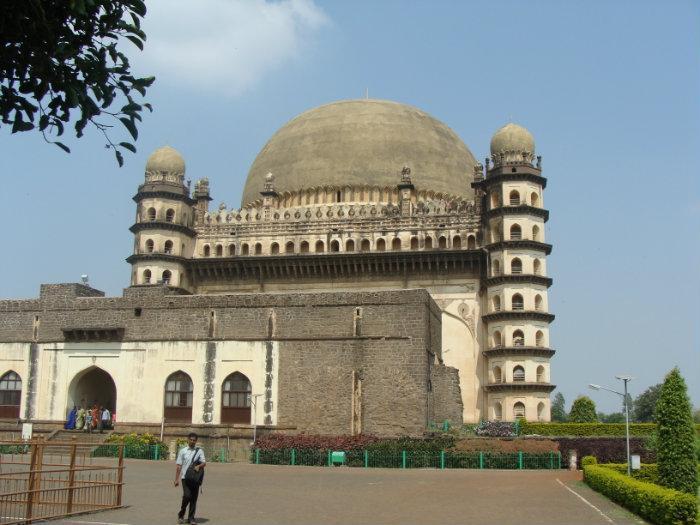
Gol Gumbaz or Gol Gummata is the mausoleum of Muhammad Adil Shah II (1627-57) of the Adil Shahi dynasty of Indian sultans, who ruled the Sultanate of Bijapur from 1490 to 1686.
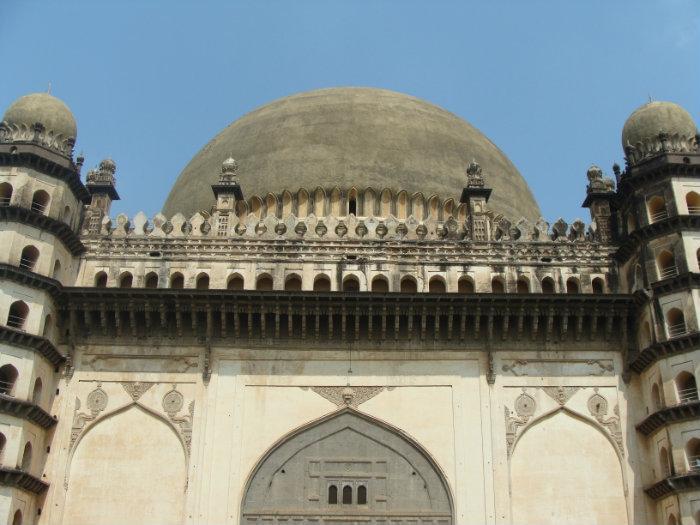
Built in 1659, it is a simple building with four walls that enclose a majestic hall 1704 sq meters in area, buttressed by octagonal seven-storey towers at each of the corners. This basic structure is capped by an enormous dome said to be the world's second largest. The diameter of Golgumbaz is 38 meters. This has the capability of echoing the smallest of sound produced inside the dome for 7 times.
www.atlasobscura.com/places/gol-gumbaz
Karnataka 586104, India
Gol Gumbaz or Gol Gummata is the mausoleum of Muhammad Adil Shah II (1627-57) of the Adil Shahi dynasty of Indian sultans, who ruled the Sultanate of Bijapur from 1490 to 1686.
Built in 1659, it is a simple building with four walls that enclose a majestic hall 1704 sq meters in area, buttressed by octagonal seven-storey towers at each of the corners. This basic structure is capped by an enormous dome said to be the world's second largest. The diameter of Golgumbaz is 38 meters. This has the capability of echoing the smallest of sound produced inside the dome for 7 times.
www.atlasobscura.com/places/gol-gumbaz
Wikipedia article: http://en.wikipedia.org/wiki/Gol_Gumbaz
Nearby cities:
Coordinates: 16°49'48"N 75°44'9"E
- Shrine of the 9 Masters of Sufi Order of Shah Nimatullah Wali : sayyed Burhan al- Din " Shah Khalilullah (I)", Mir Shah "Habib al- Din Muhibbullah (I)", Mir Shah "Shams al- Din Muhammad (III)" 228 km
- HAZRAT SHAIKH BABAR SHAH PEER REHMATULLAH ALLAIEH 252 km
- Shrine of Three Masters of Sufi Order Nimatullahi: Shaykh "Mahmud Deccani", Shaykh "Shams al- Din Deccani", "RizaAliShah Deccani" 292 km
- Yakub Baba Mausoleum 309 km
- Dongri Peer Dargah, Fakruddin shah baba tomb here, kalandar baba of vangni goes here frequently on motor bike 359 km
- Hazarth Syedna Baba Fakhruddin Mausoleum (http://babafakhruddin.tripod.com/) 365 km
- Paanch Peer Durgah 373 km
- Mausoleum of Tipu Sultan Shaheed 503 km
- Dargaah-e-Hakimi Complex 504 km
- Tombs of Gond Kings 512 km
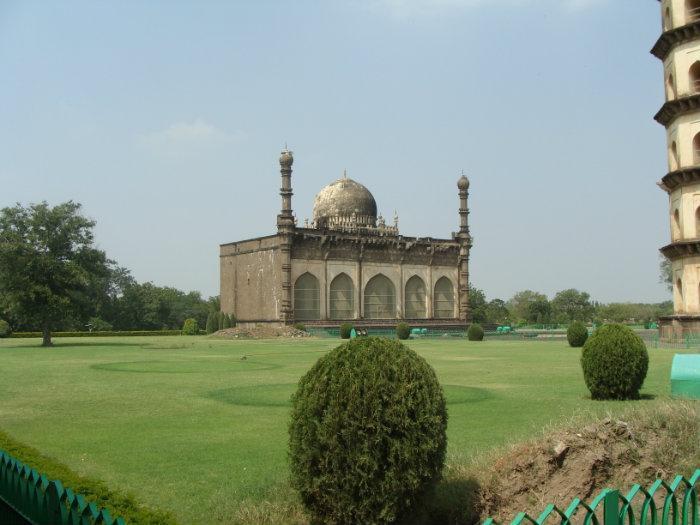
- Gol Gumbaz Compound 0.1 km
- Chattrapati Shivaji Nagar. 0.6 km
- Fortification Walls of Vijayapur 1.4 km
- Paarekh Developers 1.5 km
- APMC 1.5 km
- Citadel of Vijayapur 1.8 km
- Bara Kaman 1.9 km
- Gangannavar's Heights 2.4 km
- Anand Nagar 2.5 km
- Mallikarjun Nagar 2.6 km
Comments