
Dunaalmás
Hungary /
Komarom-Esztergom /
Szomyd /
World
/ Hungary
/ Komarom-Esztergom
/ Szomyd
World / Hungary / Komárom-Esztergom
village
Add category


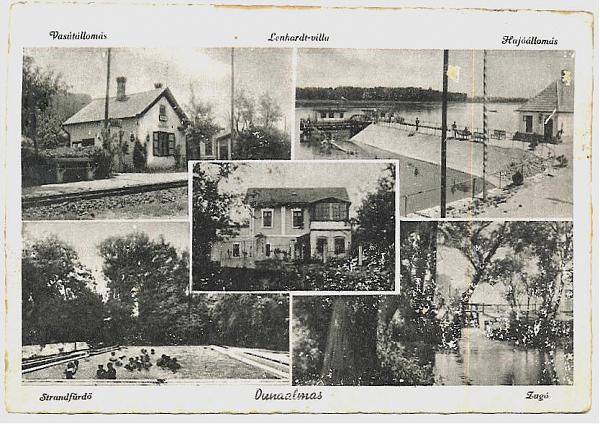

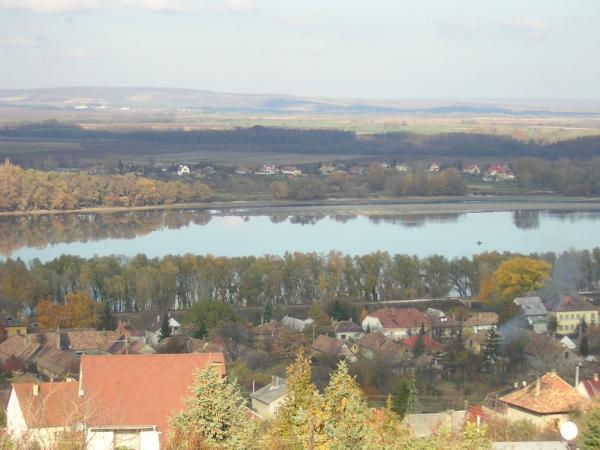


With a population of 1525 heads, Dunaalmás is a settlement in Komárom – Esztergom County. Due to its picturesque natural attributes, it deservedly earned the name: “pearl of the Danube”. From the north, it is bordered by Hungary’s biggest river and from the south, by the foothills of the Gerecse Mountains.
Its geographical location and its easy accessibility are very favorable. Its main street is parallel to the old historical road to Vienna (today, Route 100). The road to the city of Tata branches off from this main street of the village. The village lies 70 km from Budapest, 40 km from Esztergom, and 25 km from Tatabánya. Between the two World Wars, it was an integral part of the international traffic routes, the boat service between Vienna and Budapest landed every day in the harbor of the village. On May 1, 2003, the harbor was reopened and it now serves sightseeing boats and ferries crossing the river.
The old name of the village, Rév-Almás, reminds one to the river crossing service that functioned until 1946.
The past
Dunaalmás has been inhabited since ancient times. Its rich history has been recorded in a number of high standard works. Stone and ceramic artifacts, uncovered in the settlement, are to be found in the bequest of the painter, György Lenhardt, and can be viewed in the family’s private collection.
The Roman stone-transporting road, located in the local quarry, is the country’s longest, still functioning road of Roman times. It is considered to be among Hungary’s 100 wonders. At the same location, one can find unusual fresh water lime formations and beautiful botanical rarities.
The first Magyar settlers occupied the village in the 10th century. Among the archeological finds in the local cemetery were a number of artifacts, characteristic of the ancient Magyars. At the same location, remnants of an ancient earth-fortification were also found. The first written record, using the notation, “Almás”, stemming from 1093, can be found in the catalog of land possession documents of the abbey of Pannonhalma, from the times of the king, St László.
At the location of the old Turkish military camp, among the ruins of the ancient Benedictine church and monastery (the yard of the current Calvinist church in Dunaalmás) a memorial was erected to the 1606 peace treaty of Zsitva-torok.
The events of the 1848/49 revolution also left its marks here. Ten days before the surrender at Világos, as part of the last victorious battle of the war of independence, the battle of Almás took place here on the 3rd of August, 1849. The rosette shaped memorial to the soldiers, who broke out from the fort of Komárom, surrounded by the enemy, can be seen a few meters from the bridge of the Által canal here.
In spite of the place’s rich history, the first thing that comes to the mind of people on hearing the name of Dunaalmás, is the Muse, Lilla, of the deservedly famous Hungarian poet, Mihály Csokonai Vitéz. Lilla that is Julianna Vajda, as the wife of István Lévai, lived here in Dunaalmás. The cult of Csokonai and Lilla is a century and a half old here in the village. The statue of the great poet was completed in 1966; in 1968 the book of Dr. Miklós Ferenczy with the title: “Csokonai’s Lilla” was published; the Csokonai - Lilla memorial room awaits the literature loving Hungarians and foreigners; and the tomb of Lilla becomes a veritable place of pilgrimage, from Spring to Fall. The memorial room can be visited by appointment, any time of the year.
The most beautiful building of the village is the Calvinist church, built in eclectic style, in 1894. The local Calvinist authorities rebuilt the spire, destroyed in World War II. The current Calvinist church was erected at the location of the ancient Gothic church and cloister, built in the honor of St László, in 1213. The patron saint of the present Catholic Church, built in the time of Maria Teresa in Baroque style, is St John of Nepomuk. The church’s 250th anniversary will be in 2007.
The main tourist attraction of Dunaalmás was its spa with sulfurous, 26 degrees Celsius hot spring water. The water’s healing powers were recognized already in Roman times. When the queen, Maria Teresa, came here in 1751, she visited the springs and had the composition of the water analyzed. János Torkos Justus demonstrated that, apart from tuberculosis, the healing waters of Dunaalmás had curative effects on just about every possible disease. The spa was first established as a limited company holding in 1887. From 1914 the spa received state support, and able entrepreneurs made it into a flourishing business. Between 1946 and 1960 the Aluminum Works of Almásfüzitő operated the spa as a social benefit for its employees. As a result of coal mining in the Tatabánya region, the source of the spa waters gradually diminished. This was supplemented by the local tap water, also registered as having healing powers. In 1986, due to the lack of money and because of various human errors, the spa of long tradition closed its doors.
The future
That a bright future can be expected is shown by the fact that the famous hot springs reappeared. Based on this, the local government of Dunaalmás has formulated a far-reaching plan to build a 270 acres spa and recreation center on the shore of the Danube. The plan is awaiting investors, builders, and operators. The healing water is also to be made available in a bottled form. Further plans include the building of a motel, villas, a camping area, and a landing-pier for yachts.
The present
The natural beauty of Dunaalmás should be regarded as justification for the plans. Creators of weekend villas on the hillside are attracted here by the wonderful mountain paths, the magnificent view, the crystal clear air, and the virtually intact flora and animal life. The bank of the Danube and the island here is a paradise for anglers and water lovers of all kind.
The local riding stable awaits those who like active recreation. Here, ancient Magyar riding shows and therapeutic horse riding are also available.
Organized by local community clubs, there are many kinds of cultural programs, from organ concerts to chess competitions. For example, there are the traditional Christmas blessing of horse riders, the sledge competition on Fűzi-mountain, traditional old water mills (one of them recently renovated), the Zengzet music school, and local stage productions. These attract local inhabitants and visitors alike.
During its golden age, Dunaalmás gave a lot to Hungary. Without attempting to give a complete list, the local quarry yielded stones for the castle of Komárom, for the royal castle in Buda, the Parliament building, the monument for the Millennium, and the Elizabeth Bridge on the Danube in Budapest.
At present, there is a shortage of workplaces in our village. The local government can provide areas for environment friendly industrial establishments. Investors for the spa and recreation center can be provided with completed blueprints and for those who intend to settle here, there are new apartments or building sites, already equipped with utility services.
We request those individuals and groups who are able to invest in our village of such rich tradition, in addition to furthering their own future, to help Dunaalmás to be indeed the “pearl of the Danube.
Now and in the future, we extend to everybody our friendly welcome in Dunaalmás.
Its geographical location and its easy accessibility are very favorable. Its main street is parallel to the old historical road to Vienna (today, Route 100). The road to the city of Tata branches off from this main street of the village. The village lies 70 km from Budapest, 40 km from Esztergom, and 25 km from Tatabánya. Between the two World Wars, it was an integral part of the international traffic routes, the boat service between Vienna and Budapest landed every day in the harbor of the village. On May 1, 2003, the harbor was reopened and it now serves sightseeing boats and ferries crossing the river.
The old name of the village, Rév-Almás, reminds one to the river crossing service that functioned until 1946.
The past
Dunaalmás has been inhabited since ancient times. Its rich history has been recorded in a number of high standard works. Stone and ceramic artifacts, uncovered in the settlement, are to be found in the bequest of the painter, György Lenhardt, and can be viewed in the family’s private collection.
The Roman stone-transporting road, located in the local quarry, is the country’s longest, still functioning road of Roman times. It is considered to be among Hungary’s 100 wonders. At the same location, one can find unusual fresh water lime formations and beautiful botanical rarities.
The first Magyar settlers occupied the village in the 10th century. Among the archeological finds in the local cemetery were a number of artifacts, characteristic of the ancient Magyars. At the same location, remnants of an ancient earth-fortification were also found. The first written record, using the notation, “Almás”, stemming from 1093, can be found in the catalog of land possession documents of the abbey of Pannonhalma, from the times of the king, St László.
At the location of the old Turkish military camp, among the ruins of the ancient Benedictine church and monastery (the yard of the current Calvinist church in Dunaalmás) a memorial was erected to the 1606 peace treaty of Zsitva-torok.
The events of the 1848/49 revolution also left its marks here. Ten days before the surrender at Világos, as part of the last victorious battle of the war of independence, the battle of Almás took place here on the 3rd of August, 1849. The rosette shaped memorial to the soldiers, who broke out from the fort of Komárom, surrounded by the enemy, can be seen a few meters from the bridge of the Által canal here.
In spite of the place’s rich history, the first thing that comes to the mind of people on hearing the name of Dunaalmás, is the Muse, Lilla, of the deservedly famous Hungarian poet, Mihály Csokonai Vitéz. Lilla that is Julianna Vajda, as the wife of István Lévai, lived here in Dunaalmás. The cult of Csokonai and Lilla is a century and a half old here in the village. The statue of the great poet was completed in 1966; in 1968 the book of Dr. Miklós Ferenczy with the title: “Csokonai’s Lilla” was published; the Csokonai - Lilla memorial room awaits the literature loving Hungarians and foreigners; and the tomb of Lilla becomes a veritable place of pilgrimage, from Spring to Fall. The memorial room can be visited by appointment, any time of the year.
The most beautiful building of the village is the Calvinist church, built in eclectic style, in 1894. The local Calvinist authorities rebuilt the spire, destroyed in World War II. The current Calvinist church was erected at the location of the ancient Gothic church and cloister, built in the honor of St László, in 1213. The patron saint of the present Catholic Church, built in the time of Maria Teresa in Baroque style, is St John of Nepomuk. The church’s 250th anniversary will be in 2007.
The main tourist attraction of Dunaalmás was its spa with sulfurous, 26 degrees Celsius hot spring water. The water’s healing powers were recognized already in Roman times. When the queen, Maria Teresa, came here in 1751, she visited the springs and had the composition of the water analyzed. János Torkos Justus demonstrated that, apart from tuberculosis, the healing waters of Dunaalmás had curative effects on just about every possible disease. The spa was first established as a limited company holding in 1887. From 1914 the spa received state support, and able entrepreneurs made it into a flourishing business. Between 1946 and 1960 the Aluminum Works of Almásfüzitő operated the spa as a social benefit for its employees. As a result of coal mining in the Tatabánya region, the source of the spa waters gradually diminished. This was supplemented by the local tap water, also registered as having healing powers. In 1986, due to the lack of money and because of various human errors, the spa of long tradition closed its doors.
The future
That a bright future can be expected is shown by the fact that the famous hot springs reappeared. Based on this, the local government of Dunaalmás has formulated a far-reaching plan to build a 270 acres spa and recreation center on the shore of the Danube. The plan is awaiting investors, builders, and operators. The healing water is also to be made available in a bottled form. Further plans include the building of a motel, villas, a camping area, and a landing-pier for yachts.
The present
The natural beauty of Dunaalmás should be regarded as justification for the plans. Creators of weekend villas on the hillside are attracted here by the wonderful mountain paths, the magnificent view, the crystal clear air, and the virtually intact flora and animal life. The bank of the Danube and the island here is a paradise for anglers and water lovers of all kind.
The local riding stable awaits those who like active recreation. Here, ancient Magyar riding shows and therapeutic horse riding are also available.
Organized by local community clubs, there are many kinds of cultural programs, from organ concerts to chess competitions. For example, there are the traditional Christmas blessing of horse riders, the sledge competition on Fűzi-mountain, traditional old water mills (one of them recently renovated), the Zengzet music school, and local stage productions. These attract local inhabitants and visitors alike.
During its golden age, Dunaalmás gave a lot to Hungary. Without attempting to give a complete list, the local quarry yielded stones for the castle of Komárom, for the royal castle in Buda, the Parliament building, the monument for the Millennium, and the Elizabeth Bridge on the Danube in Budapest.
At present, there is a shortage of workplaces in our village. The local government can provide areas for environment friendly industrial establishments. Investors for the spa and recreation center can be provided with completed blueprints and for those who intend to settle here, there are new apartments or building sites, already equipped with utility services.
We request those individuals and groups who are able to invest in our village of such rich tradition, in addition to furthering their own future, to help Dunaalmás to be indeed the “pearl of the Danube.
Now and in the future, we extend to everybody our friendly welcome in Dunaalmás.
Wikipedia article: http://en.wikipedia.org/wiki/Dunaalmás
Nearby cities:
Coordinates: 47°43'32"N 18°19'32"E
- Marcelová 10 km
- Pilisszántó 41 km
- Pusztazámor 47 km
- Sóskút 47 km
- Kajászó 51 km
- Tárnok 51 km
- Kiskunlacháza 77 km
- Dömsöd 83 km
- Szentmártonkáta 104 km
- Dánszentmiklós 105 km
- Bricska road 2.7 km
- Neszmély, Large Castle 3.2 km
- Fényes Spa 6.4 km
- Cseke Lake 8.4 km
- Tata Castle 8.6 km
- Esterházy Castle, Tata 8.8 km
- Former Russian military base 9 km
- Elementary school and sport hall 9 km
- Arborétum 10 km
- Old Lake 10 km
Comments