
Atashgah - the Fire Temple (Baku)
Azerbaijan /
Baki /
Emircan /
Baku
World
/ Azerbaijan
/ Baki
/ Emircan
World / Cape Verde
museum, place with historical importance, interesting place, fire temple (zoroastrianism)
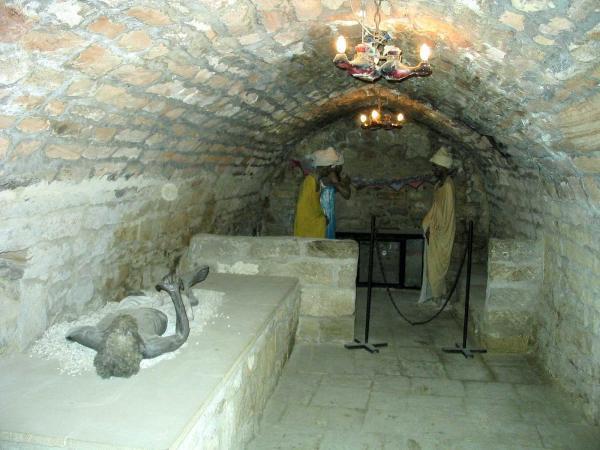
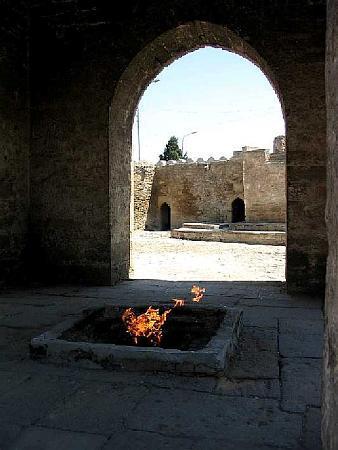
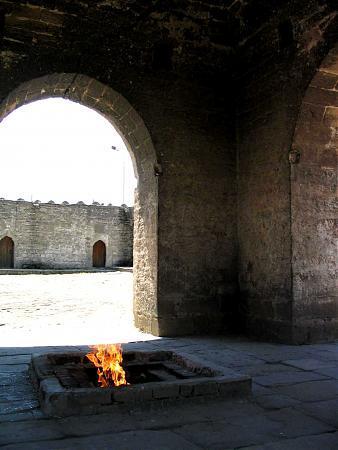
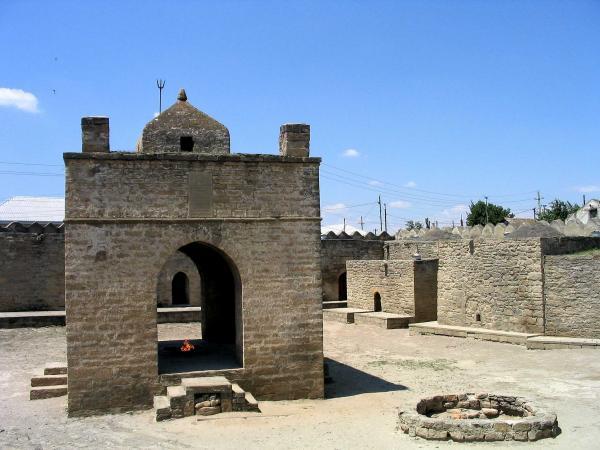
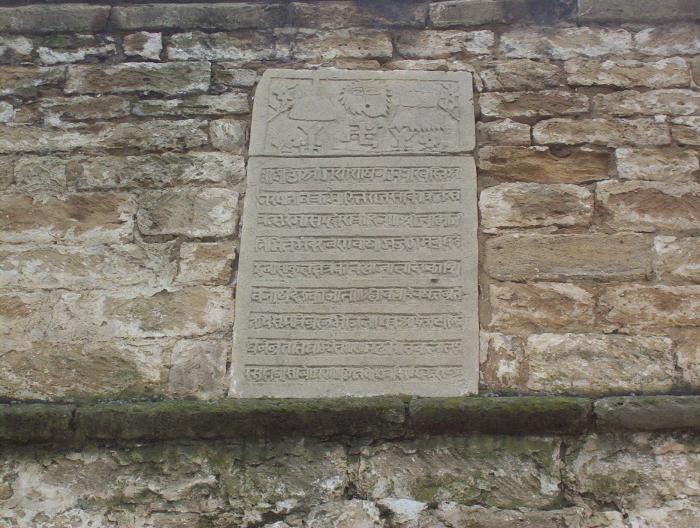
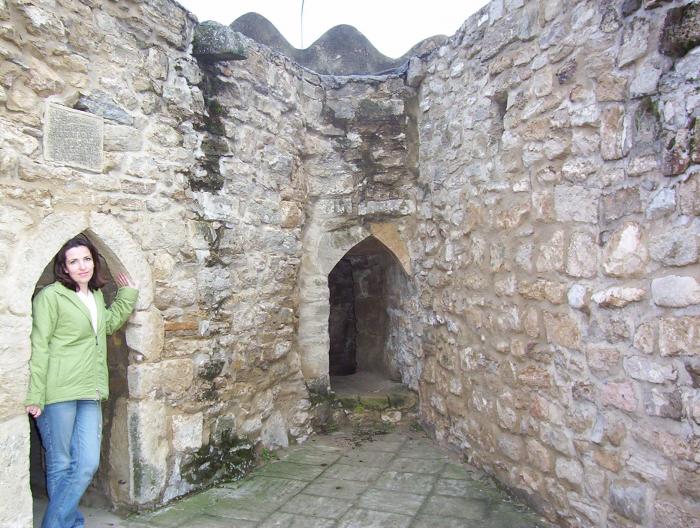
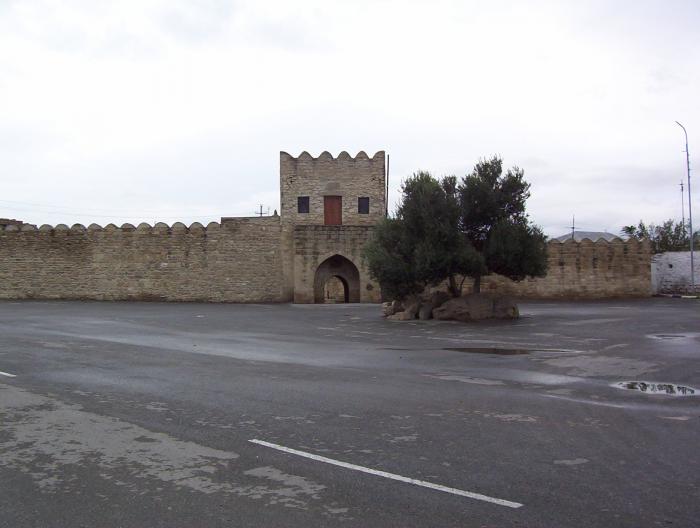
Renovations conducted (completed in 2011) have shown this historic temple was originally built by Hindus and later used also by Zoroastrians.
Photo:
web.archive.org/web/20161010022236/panoramio.com/photo/...
Located in the south-eastern part of Surakhani settlement (30 km from Baku) the place is an old (XVII-XVIII AD) temple complex of the Zoroaster followers, the fire worshippers. Having discovered natural gas erupting from rock crevices here, they constructed a number of buildings around. Those included the pentagonal temple building, outward walls, prayer rooms, priesthood's cells, cervice premises, stores, medical ward and a caravansaray. In the middle of the yard stands an impressive quadrangular dome of the main temple-altar with ever-burning fires; another fire burns in a depressed circular fire-place in front of it, and more fires were supposed to erupt from special roof chimneys. The portal gate has a "balak-hane" - a guest-room - on the upper floor.
The oldest building of the complex in existance is the stables (1713) while the main altar was built only in 1810 (or, 1866 Vikramaditya Indian style) due to contributions by a wealthy Parsi merchant Kanchagar. Now, religious ceremonies started here earlier then any of the existing buildings were erected.
A number of paleographyc monuments are preserved here; mostly, those are inscriptions in late Sanscrit and Gurmukhi (Sikh writing) - schloka poems, citations, other phrases and formulae made in Devanagari letters.
The complex was carefully restored in mid-1970s and is now a branch of the State Historical and Archaeological museum "Shirvanshahs' Palace Complex". It is accessable by taxi (more convenient for tourists) or by guided tours and is worth a several hours' visit.
Photo:
web.archive.org/web/20161010022236/panoramio.com/photo/...
Located in the south-eastern part of Surakhani settlement (30 km from Baku) the place is an old (XVII-XVIII AD) temple complex of the Zoroaster followers, the fire worshippers. Having discovered natural gas erupting from rock crevices here, they constructed a number of buildings around. Those included the pentagonal temple building, outward walls, prayer rooms, priesthood's cells, cervice premises, stores, medical ward and a caravansaray. In the middle of the yard stands an impressive quadrangular dome of the main temple-altar with ever-burning fires; another fire burns in a depressed circular fire-place in front of it, and more fires were supposed to erupt from special roof chimneys. The portal gate has a "balak-hane" - a guest-room - on the upper floor.
The oldest building of the complex in existance is the stables (1713) while the main altar was built only in 1810 (or, 1866 Vikramaditya Indian style) due to contributions by a wealthy Parsi merchant Kanchagar. Now, religious ceremonies started here earlier then any of the existing buildings were erected.
A number of paleographyc monuments are preserved here; mostly, those are inscriptions in late Sanscrit and Gurmukhi (Sikh writing) - schloka poems, citations, other phrases and formulae made in Devanagari letters.
The complex was carefully restored in mid-1970s and is now a branch of the State Historical and Archaeological museum "Shirvanshahs' Palace Complex". It is accessable by taxi (more convenient for tourists) or by guided tours and is worth a several hours' visit.
Nearby cities:
Coordinates: 40°24'55"N 50°0'30"E
- "Ansar" Safavid Impirerial Palace in Baku 8 km
- ART SALON ADRA Museum and Exhibition Complex 12 km
- Gala Archeological Ethnographic Museum 14 km
- Gala Historical Reserve 14 km
- Carpet Museum 16 km
- Palace of the Shirvanshahs 16 km
- "YARAT" Contemporary art gallery 17 km
- Botanic Garden 18 km
- Gobustan Rock Art Cultural Landscape (Boyukdash mountain cluster) 63 km
- Medieval Agsu town archaeological tourism complex 138 km
- Atashgah complex 0.1 km
- Azersun Arena 1.2 km
- Dry transformers plant 2.7 km
- Bulbula Lake 3 km
- School No.271 3.3 km
- Surakhani District 4.4 km
- Eny Ramana 4.5 km
- Sabunchi 6.5 km
- Nizami District 7.1 km
- Sabunchi District 10 km
Comments