
Porkhov
Russia /
Pskov /
Porkhov /
World
/ Russia
/ Pskov
/ Porkhov
, 3 km from center (Порхов)
World / Russia / Pskov
city, third-level administrative division, district center
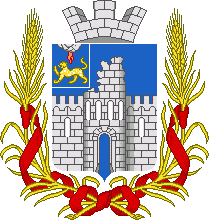


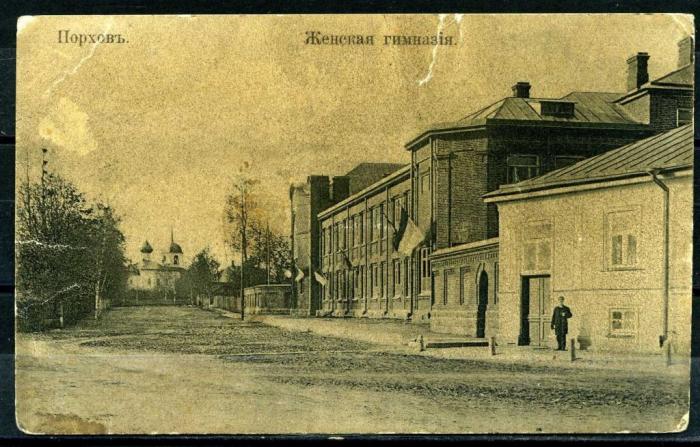
Town and the administrative center of Porkhovsky District in Pskov Oblast, Russia, located on the Shelon River, 75 kilometers (47 mi) east of Pskov, the administrative center of the oblast. Population: 10,608 (2010 Census).
The fortress of Porkhov is believed to have been founded in 1239 by Alexander Nevsky. The timber fortress was sacked by Algirdas (Olgierd) in 1356 and fell in flames in 1387. The Novgorod Republic immediately rebuilt its fortifications in limestone 1.3 kilometers (0.81 mi) downstream. In 1428, Grand Duke of Lithuania Vytautas destroyed the western wall by artillery fire and entered Porkhov. Two years later, the Novgorodians augmented the fortress and rebuilt its walls. After the fall of Novgorod to the Muscovites in 1478, the fortress lost its military importance. Porkhov was the second most important town of Shelon Pyatina, after Russa. It was not, however, a significant economical center—there were only seventy-six homesteads there in the 15th century and almost all of them were peasant ones. In 1606, it was captured by Sweden. In the late 19th century, sizeable trade in linen and grain was conducted there. During World War II, Porkhov was occupied by German troops from July 11, 1941 to February 26, 1944 and was a place of a concentration camp Dulag 100. The town of Porkhov, together with Porkhovsky District, was transferred to newly established Pskov Oblast from Leningrad Oblast on August 23, 1944.
The fortress of Porkhov is believed to have been founded in 1239 by Alexander Nevsky. The timber fortress was sacked by Algirdas (Olgierd) in 1356 and fell in flames in 1387. The Novgorod Republic immediately rebuilt its fortifications in limestone 1.3 kilometers (0.81 mi) downstream. In 1428, Grand Duke of Lithuania Vytautas destroyed the western wall by artillery fire and entered Porkhov. Two years later, the Novgorodians augmented the fortress and rebuilt its walls. After the fall of Novgorod to the Muscovites in 1478, the fortress lost its military importance. Porkhov was the second most important town of Shelon Pyatina, after Russa. It was not, however, a significant economical center—there were only seventy-six homesteads there in the 15th century and almost all of them were peasant ones. In 1606, it was captured by Sweden. In the late 19th century, sizeable trade in linen and grain was conducted there. During World War II, Porkhov was occupied by German troops from July 11, 1941 to February 26, 1944 and was a place of a concentration camp Dulag 100. The town of Porkhov, together with Porkhovsky District, was transferred to newly established Pskov Oblast from Leningrad Oblast on August 23, 1944.
Wikipedia article: http://en.wikipedia.org/wiki/Porkhov
Nearby cities:
Coordinates: 57°46'27"N 29°33'16"E
- Yadrovskaya volost 83 km
- 1 130 km
- Lavry volost (district) 133 km
- Asviejski Selsoviet 208 km
- Kuyvozovskoye rural settlement 307 km
- Rokiškis rural eldership 313 km
- Parovėja eldership 332 km
- Širvėna eldership 341 km
- Kupiškis eldership 356 km
- Šiauliai rural eldership 434 km
- ulitsa Plekhanova, 8 0.7 km
- prospekt Lenina, 31 1 km
- ulitsa Pushkina, 35 1.1 km
- ulitsa Kalachyova, 7 1.1 km
- Porkhov Kremlin 1.2 km
- Church 1.2 km
- Krepost` 1.2 km
- prospekt Lenina, 17 1.3 km
- Church of the Intercession of the Blessed Virgin Mary 1.3 km
- Bridge on the Shelon` river 1.4 km