
Russian Political History Museum (Saint Petersburg)
Russia /
Sankt Petersburg /
Saint Petersburg /
ulitsa Kuybysheva, 2-4
World
/ Russia
/ Sankt Petersburg
/ Saint Petersburg
, 2 km from center (Санкт-Петербург)
World / Russia / Leningrad
museum, architectural ensemble/complex
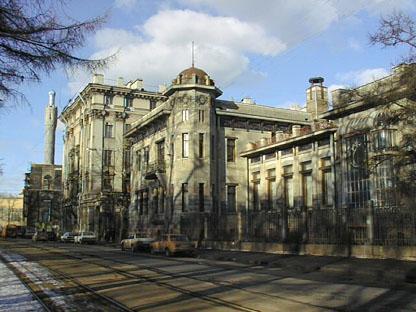


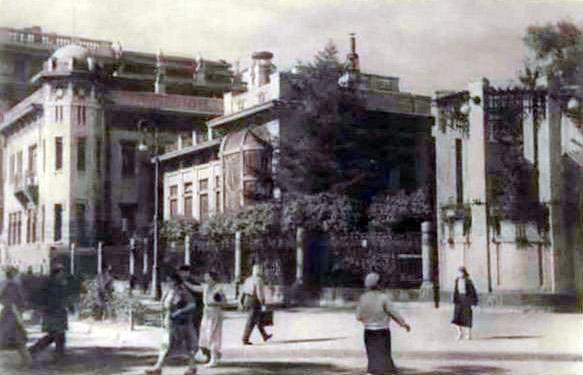
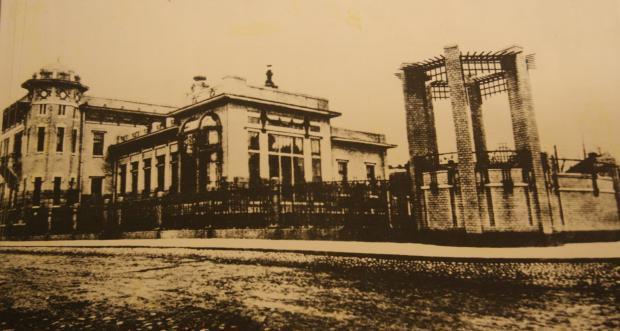
The State Museum of Political History of Russia is the successor to the State Museum of the Revolution (RMU), founded October 9, 1919 by order of the Petrograd Soviet of Workers 'and Soldiers' Deputies. The initiators of the museum were made by prominent figures of the Bolshevik Party, the populist movement, representatives of humanitarian intelligentsia. The first board of the museum include GE Zinoviev, Lunacharsky, MV Novorussky, Maxim Gorky, O. Oldenburg, B. Sreznevsky, P. Shchegolev. The official opening of the museum took place January 11, 1920 in the halls of the first and second floors of the Winter Palace.
The State Museum of the Revolution became the first country in the historical and revolutionary museum. Already by the mid-20s he has a unique collection of revolutionary banners, flyers valuable collection of various political parties, posters, exhibits relics of the time. Branches of the museum in the years became a Georgian manor Arakcheeva, Trubetskoy bastion of the fortress, Shlisselburg fortress and memorial museum of Lenin's museum-apartment ul.Shirokoy, d.48; room and an office in the Smolny, "Shed" and " hut "in Razliv. In 1937, all the memorial museum was transferred to the branch of the Central Lenin Museum.
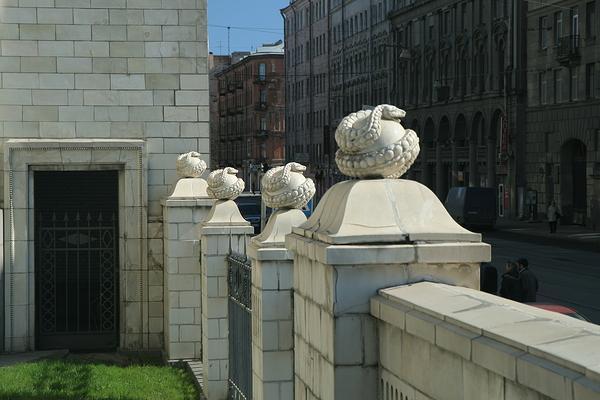
Twenty-five years the location of the State Museum of the Revolution was the Winter Palace. In 1955, the museum passed two new buildings: houses Kshesinskaia and Brant. Kshesinskaia mansion, created in 1904-1906 years. designed by renowned architect AI Gauguin's background for the famous ballerina Matilda Kshesinskaya - witness the important historical events. In March - beginning of July 1917 there were Central and Petersburg Committee (B), and military organization of the Bolsheviks. Another mansion also belongs to the architectural monuments of the city. It was built in 1909 by architect R. Melzer for a large timber merchant baron Vladimir A. Brant. In 1955-1957. These buildings have been combined into one complex (architect N. Nadezhin), which houses the GMR converted to National Museum of the Great October Socialist Revolution. Its opening was held on November 5, 1957. In 1972 the museum was transferred to the USSR Ministry of Culture and became a branch of the Central Museum of Revolution, the Soviet Union.
In the late 1970s, the research team and the administration have begun to create a fundamentally new concept of the museum. The reconstruction project of the museum 1981-1987 gg. and the feasibility study provided for a new museum complex in three phases. November 5, 1987 was opened the first stage of exposure, but in 1989 it was decided to close it as not corresponding to realities of the time, and to develop a new concept of scientific exposition and educational activities of the museum. During 1989-1992 years the team has no additional funds to phase in all the re-exposition halls of the museum. The museum is not just a single day did not close its doors to visitors, but also provided a permament exhibition showing never before of topics in Russian history. In accordance with a new concept in August 1991, the Ministry of Culture of the USSR, it was decided to transform the status of the museum and rename it to the State Museum of Russian Political History. Since 1992, the museum came under the jurisdiction of the Ministry of Culture of the Russian Federation.
The State Museum of Political History of Russia - one of the few museums that document the exercise and exposure showing the processes of political, economic and social life in Russia XIX-XXI centuries.
At its core activities and the level of relations with the Russian museums GMPIR is every reason to consider the cultural and historical, scientific, methodical and consulting center at the federal level.
en.polithistory.ru
The State Museum of the Revolution became the first country in the historical and revolutionary museum. Already by the mid-20s he has a unique collection of revolutionary banners, flyers valuable collection of various political parties, posters, exhibits relics of the time. Branches of the museum in the years became a Georgian manor Arakcheeva, Trubetskoy bastion of the fortress, Shlisselburg fortress and memorial museum of Lenin's museum-apartment ul.Shirokoy, d.48; room and an office in the Smolny, "Shed" and " hut "in Razliv. In 1937, all the memorial museum was transferred to the branch of the Central Lenin Museum.
Twenty-five years the location of the State Museum of the Revolution was the Winter Palace. In 1955, the museum passed two new buildings: houses Kshesinskaia and Brant. Kshesinskaia mansion, created in 1904-1906 years. designed by renowned architect AI Gauguin's background for the famous ballerina Matilda Kshesinskaya - witness the important historical events. In March - beginning of July 1917 there were Central and Petersburg Committee (B), and military organization of the Bolsheviks. Another mansion also belongs to the architectural monuments of the city. It was built in 1909 by architect R. Melzer for a large timber merchant baron Vladimir A. Brant. In 1955-1957. These buildings have been combined into one complex (architect N. Nadezhin), which houses the GMR converted to National Museum of the Great October Socialist Revolution. Its opening was held on November 5, 1957. In 1972 the museum was transferred to the USSR Ministry of Culture and became a branch of the Central Museum of Revolution, the Soviet Union.
In the late 1970s, the research team and the administration have begun to create a fundamentally new concept of the museum. The reconstruction project of the museum 1981-1987 gg. and the feasibility study provided for a new museum complex in three phases. November 5, 1987 was opened the first stage of exposure, but in 1989 it was decided to close it as not corresponding to realities of the time, and to develop a new concept of scientific exposition and educational activities of the museum. During 1989-1992 years the team has no additional funds to phase in all the re-exposition halls of the museum. The museum is not just a single day did not close its doors to visitors, but also provided a permament exhibition showing never before of topics in Russian history. In accordance with a new concept in August 1991, the Ministry of Culture of the USSR, it was decided to transform the status of the museum and rename it to the State Museum of Russian Political History. Since 1992, the museum came under the jurisdiction of the Ministry of Culture of the Russian Federation.
The State Museum of Political History of Russia - one of the few museums that document the exercise and exposure showing the processes of political, economic and social life in Russia XIX-XXI centuries.
At its core activities and the level of relations with the Russian museums GMPIR is every reason to consider the cultural and historical, scientific, methodical and consulting center at the federal level.
en.polithistory.ru
Wikipedia article: http://en.wikipedia.org/wiki/Museum_of_Political_History_of_Russia_(St._Petersburg)
Nearby cities:
Coordinates: 59°57'16"N 30°19'30"E
- Military Historical Museum of Artillery, Engineers and Signal Corps 0.8 km
- Sts Peter and Paul's Fortress 0.9 km
- The State Hermitage Museum 1.5 km
- Winter Palace 1.6 km
- State Russian Museum 1.7 km
- V. L. Komarov Botanical Institute of the RAS 1.9 km
- 1 Investigation prison Kresty 2.1 km
- Central Naval Museum 3.2 km
- The State Hermitage Museum's Respository 5.4 km
- Priyutino Mansion 15 km
- Posadsky municipal district 0.4 km
- Kronverkskoye Municipal Okrug 0.7 km
- Zayachy island 0.7 km
- Dvortsovy Municipal Okrug 1.4 km
- Petrogradsky Island 1.4 km
- Sampsoniyevskoye Municipal Okrug 2.4 km
- Bezymyanny island 2.5 km
- Tsentralny District 2.7 km
- Petrogradsky District 3.1 km
- Vyborgsky District 11 km