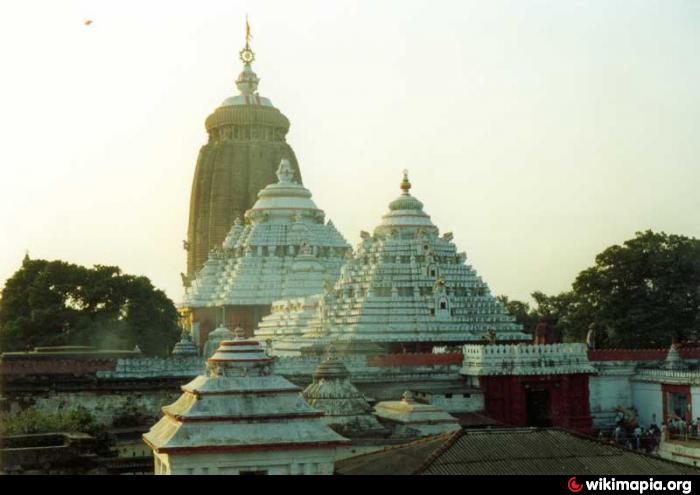
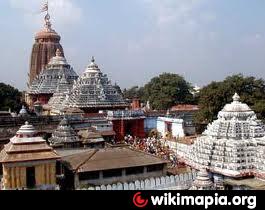
Sri Jagannath Temple (Puri(ପୁରୀ))

India / Orissa / Puri / Puri(ପୁରୀ) / Baseli Sahi, Puri
 temple, monument, hindu temple, listed building / architectural heritage
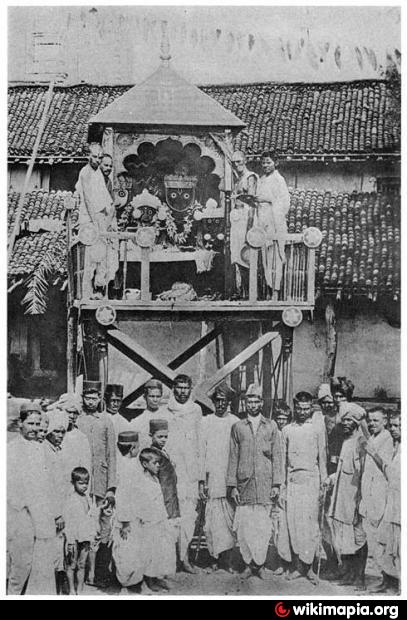
One of the most grandiloquent events associated with the Lord Jagannath, Naba Kalabera takes place when one lunar month of Ashadha is followed by another lunar month of Aashadha. This can take place in 8, 12 or even 18 years. Literally meaning the “New Body” (Nava = New, Kalevar = Body), the festival is witnessed by as millions of people and the budget for this event exceeds $500,000. The event involves installation of new images in the temple and burial of the old ones in the temple premises at Koili Vaikuntha. The idols that are currently being worshipped in the temple premises were installed in the year 1996.Next ceremony will be held on 2015.[59] More than 3 million devotees are expected to visit the temple during the Nabakalevara of 2015[60] making it one of the most visited festivals in the world.
Nearby cities:
Coordinates:   19°48'17"N   85°49'4"E

Comments

  • this temple is very religious
  • The most famous of the 'Char Dham'- four most important religious places of the Hindus, Sri Jagannath Temple is in Puri-on-sea, also known as Sankha Khetra, adorned by Sri Balabhadra, Sri Jagannath and Devi Subhadra. This is one of the oldest temples of India. The most famous Rath Yatra or the Car Festival happens every year in the month of Asadha when the three deities come out on their Chariots to visit their aunt at the Mausi Ma temple. They come back after a nine day stay. Millions of devotees from all parts of India and abroad gather to have a look of the deities seated on the chariots and also to pull the chariots. People become ecstatic and lose themselves amid the sea of humanity. It is a lifetime experience. The Maha Prasad of Sri Jagannath Temple is very famous. People of all caste and creed can share it. It is famous for its variety, taste and flavour. People regard it with high devotion. There are many stories and devotional songs related to the temple.
  • Hare Krishna! From Russia!
  • By the treaty concluded between Nawab Alivardi Khan of Bengal and Raghuji Bhonsla of Nagpur in 1751 A.D., the province of Cuttack i.e., Orissa (Odisha) as far as the river Suvarnarekha was ceded to the Marathas over which they became the de facto rulers. The Marathas kept the management of Shri Jagannath Temple, Puri in their own hands and being Hindus encouraged the worship of Jagannath. They got the ceremonies and festivals properly conducted, and made good of the deficit between the receipt and the expenditure of the temple. The day to day affairs of the temple were managed by the Parichhas, appointed by the Maratha Government. There were three types of parichas, viz. Shewaji Ungits (3rd Parichha), Jagannath Rajguru (2nd Parichha) and morar Pandit (Head Parichha), whose sole duty it was to take care of interior management of the temple and any complaint against them were referred to Ekadee Pandit at Cuttack, who decided upon them finally. The authority of the Rajas of Khurda was very limited in the temple during the time of the Maratha government which assumed almost the entire control. Gajapati Dibyasingh Deva-II was loyal to the Marathas. During his time, the Jagannatha temple was again plastered. Jhulan Yatra was introduced in the temple. The Arun Pillar was brought from Konark and installed infront of main entrance way of the Jagannath Temple. The Marathas were defraying the expenses of the temple from the tax they collected from the pilgrims. Besides, they also set apart some lands for the worship of Lord Jagannath in the Praganas of Rahang, Sirai, Chabiskud and Lembai which they received from the Raja of Khurda in lieu of payment for rendering military services. This endowment yielding a revenue of Rs.27,000/- was known as Satais Hazari Mahal. But the discipline and the administration of the temple seem to have much deteriorated
This article was last modified 10 years ago